Got cold weather blues? Anxious about the holidays? Or are you just in a rut? If you’re like Baby Dog, you might just need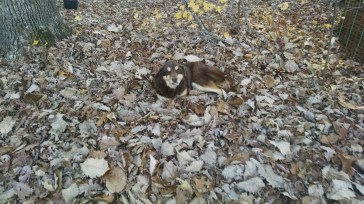 to surround yourself with your own creature comforts. In her case, it’s a nest of cushy autumn leaves. Can you find her?
For you, have you considered taking advantage of the comforts offered by writing? According to writer Edna Ferber, who wrote in her 1963 autobiography: “Life can’t ever really defeat a writer who is in love with writing, for life itself is a writer’s lover until death – fascinating, cruel, lavish, warm, cold, treacherous, constant.”
So why not embrace life by signing up for a creative writing course at Central Carolina Community College in Pittsboro? We’re offering a wide range of opportunities in Spring 2018 that are sure to lift your spirits!
In fact, I’ll be leading a one-day workshop on Saturday, March 3 on flash fiction. Flash fiction is irresistible; a joy for both reader and writer. Opportunities are better than ever, with a virtual explosion of contests and publications specializing in the form. Read some of the best, experiment a little, and leave the class with a complete “kit” of your own for future inspiration.
CCCC offers many other valuable classes and workshops this spring–including a workshop to help writers achieve publication led by recent novelist Michele Berger. I also recommend you consider the weekly course offered by the celebrated poet Mary Barnard titled “Write to Heal.”
For the complete list of offerings, and to sign up, visit the CCCC website.
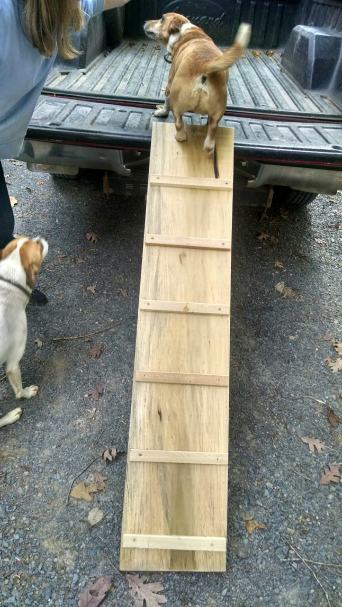 “write” tools, and the support of loving friends, you too, can easily triumph over the obstacles of life.
 Last week, we made cider from our own apples, so of course, I was curious about the origin of the word apple. According to the OED, the early form of the word for a round fruit from a tree of the genus Malus has roots in the Old Frisian appel, Middle Dutch appel, and many more, including Old Saxon appul and even Russian, jabloko.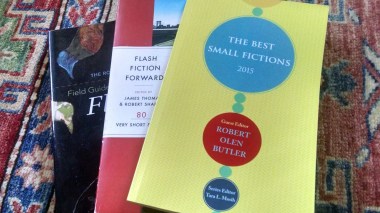

 In celebration of today (June 7) being

 For my last poem, I write from Friday’s visit to the famed Liberty Antiques Fair, where I was as moved the vendors and their stories as I was by the splendid selection of centuries-old bric-a-brac. Read
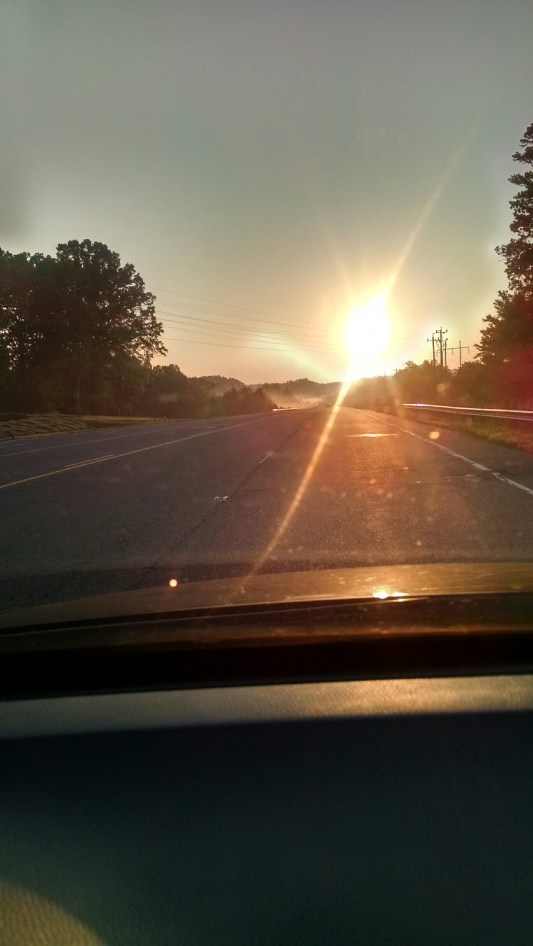
 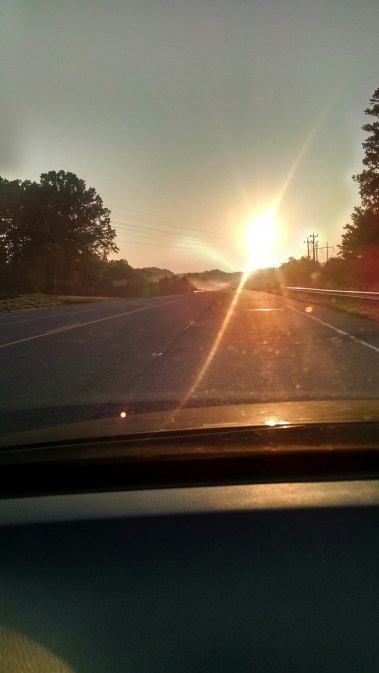 A long commute can be grueling, especially after a full day at work, but there has always been something special about the morning drive. I feel as if, like Francois Cheng (the Asian-French poet-philosopher) once said, “We are always at the morning of the world.”