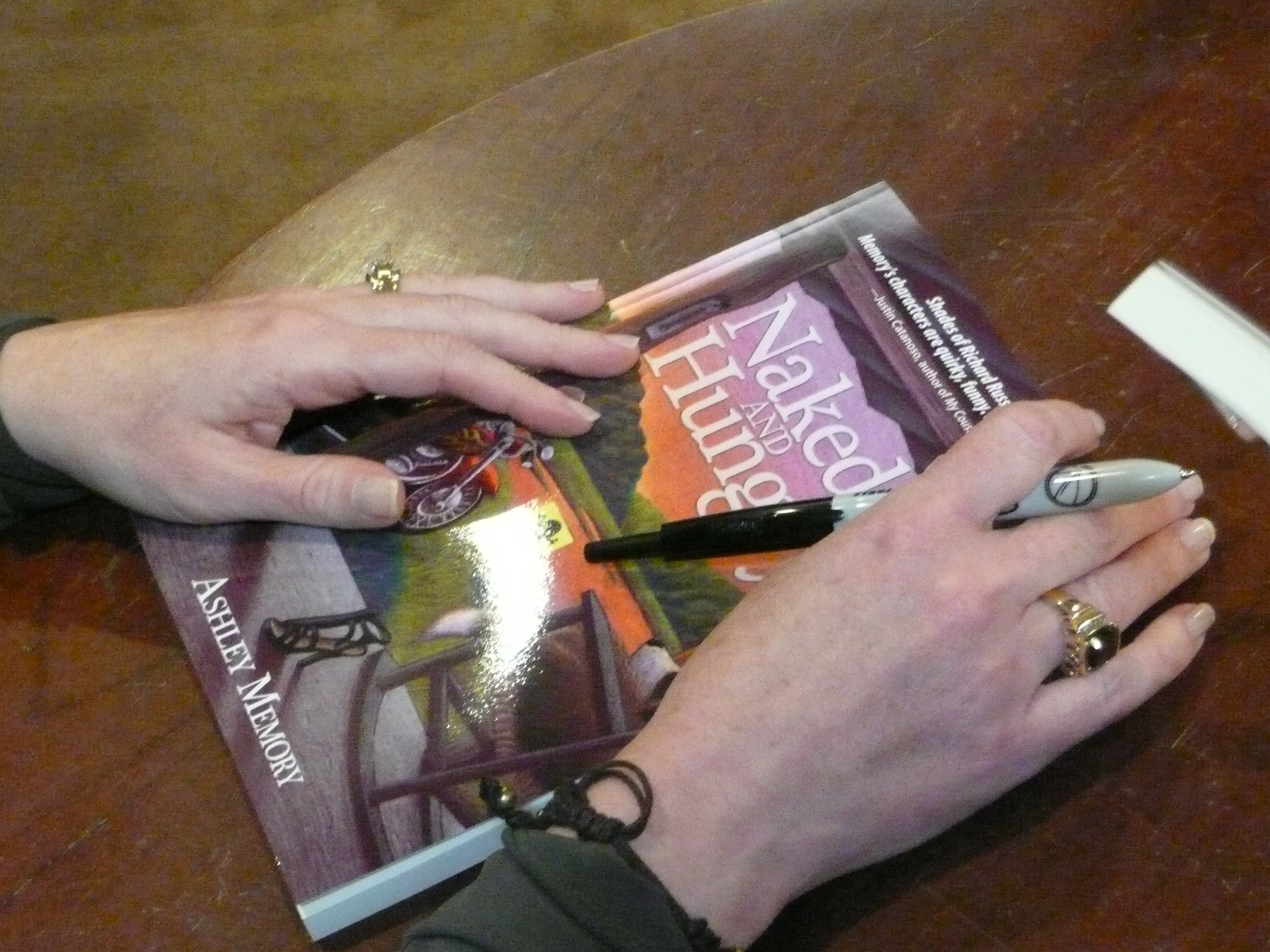
 A friend of mine recently asked that I share some advice with a friend of his, who happens to be an emerging poet seeking publication. It’s always a pleasure to connect with other writers, so I decided to post my response here, in case that my journey might help someone else.
Dear Poet:
As much as I love poetry, I am a novelist so I’m afraid I don’t have the kind of specific advice that an experienced poet might offer, but I can tell you what I might do if I were you. So please take this with more than a grain of salt.
Because of the explosion of the internet (a market of 2-billion+ users) and the need for quality content, short stories and poetry are very much in demand, so yes, you should continue to pursue publication in online publications. And if you haven’t already, I would definitely enter my work into contests. This is a way for your work to attract attention and to develop a following. It also helps you develop early credentials for your work. Naked and Hungry did not win the 2009 James Jones First Novel Fellowship, but it was one of 7 finalists in a field of 653. So I included this note in all query letters and eventually added it to the bio section of my published book. More valuable than a cash prize? You bet!
Next, if you haven’t already, I would purchase a copy of The Writer’s Market. Pronto! There’s a specific edition available just for poets and other genres such as children’s books, for example. This is the best way to get a bead on all the available markets for poetry and contests. It also provides guidance on the development of a query letter, which is essential for approaching agents and publishers. This book is how I found my publisher, Ingalls Publishing Group, which specializes in regional and N.C. writers.
Also, you should strongly consider joining a writer’s group, in person or online. It’s a great way to get honest feedback on your work and trade ideas on publication opportunities. And again, you will have an instant “fan base” when you are published. Writers have a long tradition of supporting each other, and I am so fortunate that at least a handful will show up at my readings. They will also write reviews for you, an action that is absolutely immeasurable.
And finally, as you probably know, the publishing industry is undergoing radical changes, with the advent of e-books and the tragic closure of so many bookstores. Printing is an expensive business, which is why the big name publishers rarely take on new writers. However, the upside is that there is more opportunity for the little guys, at least those who are willing to work at it and pursue new markets for their work. Self-publishing should be strongly considered, especially for those writers with an entrepreneurial instinct. If you believe in your work, I would probably explore the idea of self publishing a small book of it and offering it for sale on Amazon. It would be an interesting experience and well worth the exploration, especially if you are doing all you can to develop a following.
In conclusion, due in large part to all the changes in the publishing world, there is no clear-cut path to success. Every writer has their own journey and unique story to tell. It’s tempting to stress about how hard it is when you’re not a big name like John Grisham. But look at the flip side. Think about the freedom that comes with NOT being a big name like Grisham. Can you imagine what it would be like if your publisher had the authority to dictate to you what you should write? Or told you where you had to go and what you had to do to promote your work?
When times are tough, I always find comfort in the words of another writer, yes, a poet, the legendary Maya Angelou. She once wrote:
“The world owes you nothing. Accept that and you are truly free.”
Believe in yourself, blaze your own trail, and have fun!

 Ashley Harris