Enhance your writing with cherries

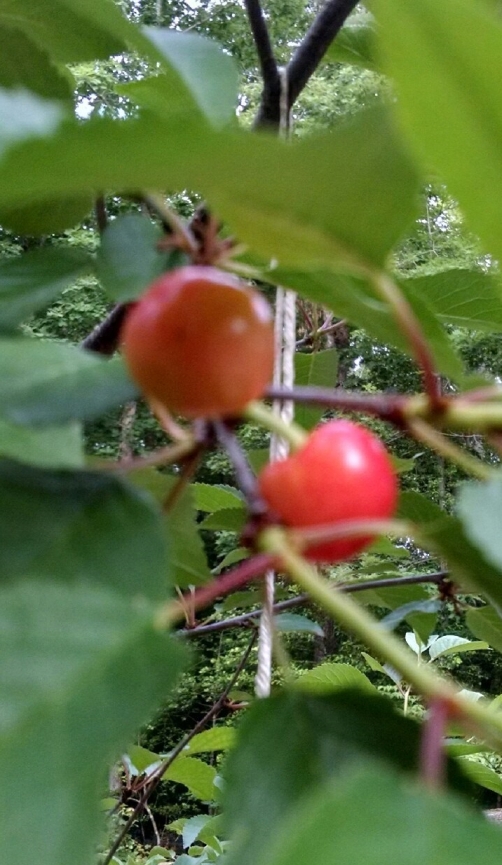
cherries.jpgJust today I learned that my flash fiction “Aunt Zelia’s Untested Wild Cherry Love Potion” earned honorable mention in the Fall 2018 Women on Writing Quarterly Flash Fiction Contest!

In this tale of “love gone wrong-maybe gone right-with a little magic”  I tried my best to infuse the language with highly sensuous details. It helps that the story includes cherries, my favorite fruit.

When you want to enhance your own writing with lush details from all five senses, try to include references to things that already inspire you. And when you need to add emotional tension, draw from circumstances that stir up your own angst. It’s easy for me to write about young love because I remember those times so vividly and it’s cathartic (at least now!) to return to that highly charged state of passion and bewilderment.

It’s a little early for fruit, but my fledgling cherry trees are getting ready to unfurl new leaves, which hopefully bodes well for this year’s crop. As they fortify themselves, I’ve been planning an exciting lineup of new workshops this spring and summer. With offerings from poetry to flash essays, I’m hoping you’ll find something to stoke your own imagination. Each workshop is designed to help you cull sensory details from your own lives.

Friday, March 15 from 9:30 a.m. – 12:30 p.m. – Jumpstart Your Poetic Imagination at The Joyful Jewel in downtown Pittsboro, N.C. You can find inspiration for poetry everywhere—from the news to artwork to your daily life and memory. We’ll study sample poems and then participate in fun exercises meant to spark your own imagination. Not only will you end up with three new poems of your own, you’ll leave with an inventory of ideas for future works. You may even pen a poem inspired by the stimulating art work on display in The Joyful Jewel and participate in the Visions and Voices Reading on April 14! To register, call The Joyful Jewel, 833-2775, 10:30am-5:30pm Monday through Saturday or Sunday 12pm-4pm. Cost: $50.

Saturday, April 13 from 9.a.m – 3 p.m. – Flash Fiction Bootcamp II. Think you don’t have time to write? Anybody has time for flash fiction, and by the end of this workshop, you’ll have five finished stories. (This workshop is a continuation of the popular Flash Fiction Bootcamp I) but is open to new as well as returning students and features entirely new prompts and readings. Atten-hut! Central Carolina Community College Creative Writing Program in Pittsboro, N.C. Register here. or by calling (919) 545-8044. Cost $50.

Friday, July 12 from 9:30 a.m. – 12:30 p.m. – Flash Fiction Bootcamp I. The Joyful Jewel in downtown Pittsboro, N.C. Think you don’t have time to write? Anybody has time for flash fiction, and by the end of this abbreviated workshop, you’ll have at least two finished stories. Bring your favorite writing gear (notebook and pen/pencil or laptop) and get ready for new prompts, new inspiration, and instant feedback. Atten-hut! To register, call The Joyful Jewel, 833-2775, 10:30am-5:30pm Monday through Saturday or Sunday 12pm-4pm. Cost: $50.

Friday, July 26 from 9:30 a.m. – 12:30 p.m. – Flash Creative Nonfiction and Essay. The Joyful Jewel in downtown Pittsboro, N.C. Interested in turning your life experiences into flash memoirs or short essays? Explore this exciting  new creative form that brings your experiences to life in a variety of dynamic formats. By the end of this workshop, you’ll have two finished short essays. To register, call The Joyful Jewel, 833-2775, 10:30am-5:30pm Monday through Saturday or Sunday 12pm-4pm. Cost: $50.

Keep checking my events page as I add to this list throughout the season with even more workshops. In the meantime, surround yourself with the things that inspire you the most. Life is short so go ahead and pluck that cherry off the top of your sundae!
 

How to End a Short Story

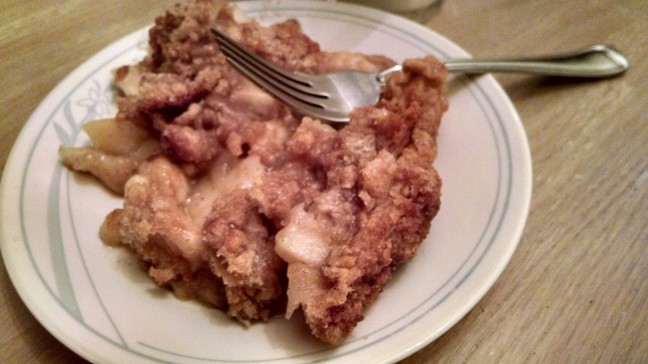
apple pie
The ending of a story should be like a slice of apple pie after a meal — giving the reader something to savor and remember long after the story concludes.

At the beginning of every new year, writers tend to think about beginnings–new resolutions, new inspiration and new directions. But as I started new work this month–particularly a story that recently bewildered me–I found myself struggling with endings.

Why are endings so hard? To help, I studied the final sentences of stories I admire.

“She walked up the stairs, tearing the note into tiny pieces that fluttered behind her like confetti.” Laurie Colwin, from “Children, Dogs, and Desperate Women.”

“I still seem to be holding that wisp of iridescence, not knowing exactly where to fit it, while she runs with her hoop ever faster around me and finally dissolves among the slender shadows cast on the graveled path by the interlaced arches of its low looped fence.” Vladimir Nabokov, “First Love.”

“But the pear tree was as lonely as ever and as full of flowers and as still.” Katherine Mansfield, “Bliss.”

“She sat for a while longer, then pulled the curtains back and the day came in. Hers was the ghost the night had brought, in her own image as she once had been.” William Trevor, “Sitting with the Dead.”

I also studied the words of some of my favorite writing teachers. Some say you should return to the beginning of your story and pick up a loose thread there to knot at the end. Others believe you should end on a strong image. John Dufresne, in his wonderful book The Lie That Tells A Truth says this is not the time to give us a moral or a message. “We only need the problem resolved.” And later: “End your story on your best, or second best, line. Don’t write past it. This is the line that echoes in our mind when the story is over.”

Anne Bernays and Pamela Painter, in their endlessly inspirational book What If, give a great exercise for endings. “Write one sentence for a story that is in its fourth or fifth draft. Then revise the story to heighten and illuminate this final meaning.”

As challenging as it can be, there is nothing like the inherent joy in writing stories–whether it’s that first sentence or even the title. And this makes the struggle worth it. Sometimes the very thing that’s holding us back IS the solution. One of my favorite philosophers, Marcus Aurelius, said it best: “The impediment to action advances the action. What stands in the way becomes the way.”

In my situation, it became very simple. The ending of my story troubled me because I hadn’t gotten the beginning or the middle right. So I had to backtrack a little bit. But when I followed the crumb trail of my original conception–what the story was REALLY about, I found my way home and then, and only then, resolved my story. And then I treated myself to a huge chunk of apple pie!

We’ll be doing a number of writing workshops very soon, where we’ll talk more about endings and everything in between. Stay tuned for the details, but in the meantime, I hope you’ll plan to join me in April for round two of our very popular flash fiction workshops.

Saturday, April 13 – Flash Fiction Boot Camp II Workshop. Central Carolina Community College Creative Writing Program in Pittsboro, N.C. Register here.

Join us on Saturday for Flash Fiction II!

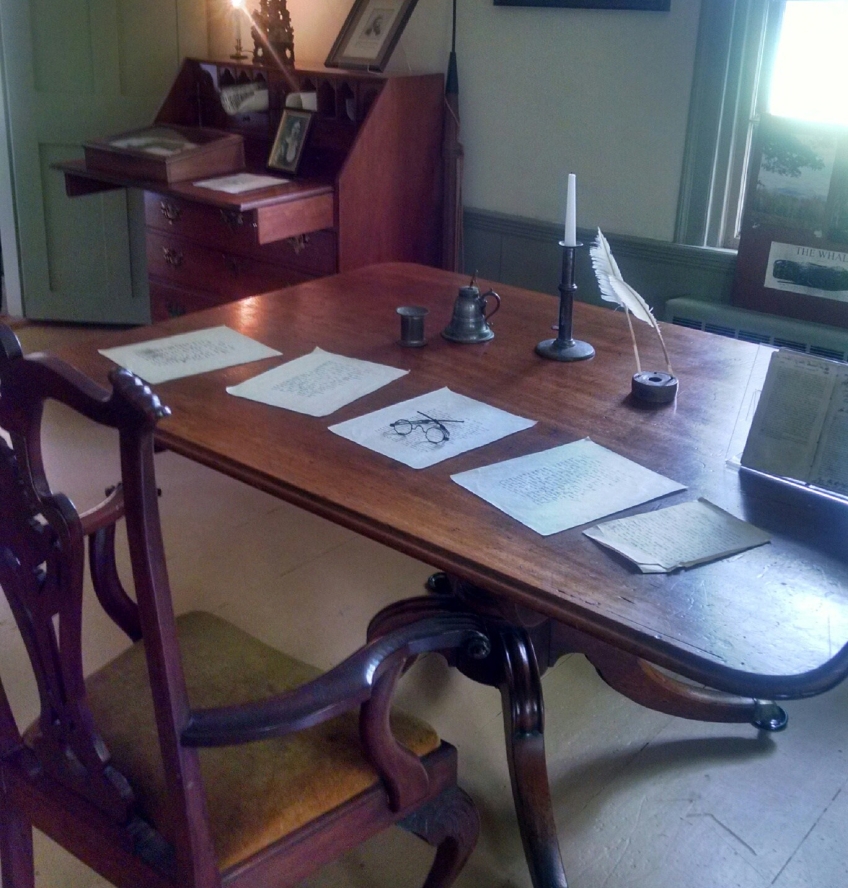
desk.jpgFlash fiction is an exciting field, and for writers, there’s always something new to discover and learn. Fresh from a wonderful journey through the literary heart of our nation — the haunt of Melville and Twain, to name a couple of famous authors — I’m bursting with inspiration and ready to share.
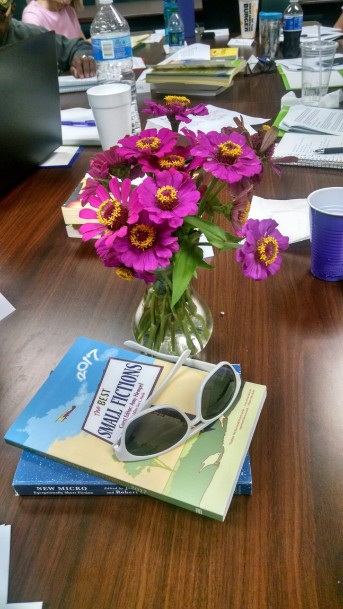
During our first flash fiction workshop this fall at Central Carolina Community College, we settled down with pens and like Herman Melville (whose writing den is recreated here) we wrote to our hearts’ content. And now, we’re ready to polish and prepare our work to share with the world.
If your schedule permits, I hope to see you this Saturday, October 13, from 9 a.m. – 4 p.m. in Pittsboro at Central Carolina Community College for Flash Fiction II: Revision and Submission for Publication. And I’ve got some great news! In preparing for the class, I discovered a long list of contests and publications seeking flash fiction — with deadlines by the end of the year!

I’m also sharing examples of cover letters from my own files that worked for me. In addition, I’ll  share my own blunders and “dont-do’s” that might save you from the kind of mistakes I made. I’d love to share these and more with you on Saturday, and as always, I welcome your own contributions.

Register today by calling at 919.545.8044 or through the CCCC website.

A Day of Flash Fiction ….

at Central Carolina Community College yesterday whizzed by so quickly that I couldn’t believe my eyes when the clock read 3:45….gulp!

sept22 class.jpgFrom a contemporary re-telling of a beloved fairy tale through text messages (yes!) to a memorandum from the Goddess of Chaos (hilarious!) and so much more, the contributions of all nine students simply took my breath away. And the emotions expressed struck every note on the xylophone, from laughter to tears.
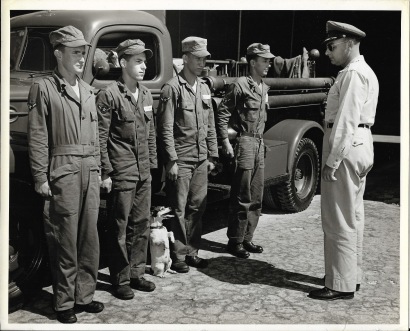
What a good flash ought to do, according to Vanessa Gebbie, is to “catch you as you turn away, hold you, and when you’re finished reading, it should echo and resonate.” As the workshop leader, I can truly say that yesterday’s stories will remain with me for a very long time. It was truly an honor to be there.

We had planned to plow through six exercises but sadly, we ran out of time after the fifth. The good news is that everyone left with “homework,” so they can complete the final exercise on their own. And I’ll share it with you, just in case you want to give flash fiction a try. 🙂

Exercise 6. In the News. Choose an actual news headline and write a fictional story. (200-500 words). For example, “Chatham County Sheriff’s Office Uses Facebook to Catch Thief” or “Spring Hope Man Grows a Whopper of a Cantaloupe” (both are real examples from local news sources.)

Hint: To see how another writer probably did this, read “Local Woman Gets a Jolt,” a masterful short fiction by Jennifer Pieroni (published  in New Micro: Exceptionally Short Stories, edited by James Thomas and Robert Scotellaro).

Want more? It’s not too late! Join us on Saturday, October 13, for the next installment: Flash Fiction: Revision and Publication. Now that you’ve written your flashes, you’re ready to show them off! Bring a story of your own and learn how to revise, prepare and submit it for publication in online or print magazines, and how later to create a book-length collection and find publishers.

Flash Fiction – Two Days Away! Atten-hut!

army dog_editedWhat could be better after a catastrophic hurricane than a daylong immersion in creative writing? Not much! If you agree, join us on Saturday, Sept. 22 at Central Carolina Community College in Pittsboro for a madcap adventure into the exciting world of flash fiction.
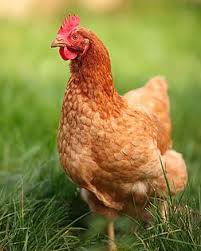
Yes, it’s a bootcamp, but it’s also going to be fun! Get ready for new prompts, new inspiration, and instant feedback. We have six fabulous exercises planned, from “Wacky Word Play” to “Coffee, Tea or Me” – a fictional restaurant review. (This little dog’s tongue is hanging out just thinking about it.) All prompts are designed to stimulate your imagination and bring to life six original short fictions you’ve written yourself!

We have just a few slots left so if you haven’t signed up yet, don’t delay. Sign up here and see you on Saturday. Atten-hut!


Chicken Little’s rules for submission

chickenLiving in the country makes it easy to channel my inner chicken on the tricky topic of submission.
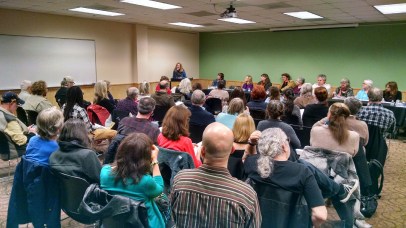
The sky is not falling. Worried? Don’t be. The world needs to hear from you, and you need to send your work out. The pluses of submission–meeting new people, discovering new markets, and growing as a writer–far outweigh the minuses. So do it. But do it thoughtfully.

Don’t put all your eggs in one basket. Ninety-nine percent of all publications allow it, so do submit simultaneously (i.e., submit the same story to multiple places at the same time). Just be sure to inform the editors you haven’t heard from as soon as possible if it’s accepted somewhere. Recently, one of my short stories was selected by two publications, but as it turns out, one will print a longer version and the other will happily print the flash version. Another e-zine didn’t publish that particular story but kindly awarded me a $20 Amazon gift card for placing in their contest. One story gets traction in three ways.

Stuff as many eggs in that basket as you can. Don’t send one egg into the world without having at least ten in your basket. Make sure you have several pieces circulating in the world and several in varying stages of completion. How to build your basket? Branch an idea in multiple ways—turn a poem into a short story. Later, write a nonfiction essay about the same experience. Be a triple threat. 🙂

Ask a fellow chicken for help. When seeking new outlets, yes, do your research. But don’t hesitate to ask for help from a fellow writer. They are some of my best sources when it comes to finding new markets. I actually won a “submission consultation” from Chelsey Clammer, a respected writer and editor through Women on Writing and her excellent advice led to the acceptance of two stories in the July 2018 issue of The Birds We Piled Loosely.

The sky is not falling, again. Don’t despair. Ever. Period. Whatever happens, whether you’re accepted or rejected, return to the work that nurtures your spirit. Because this is what makes you happy.

We’ll talk more about submission in the workshops I’ll be leading this fall, so if you’re interested, sign up! In fact, the second-place winner in this year’s Carolina Woman Writing Contest, Anne Kissel, had this to say: “You mentioned the Carolina Woman contest in your class and that helped me take the plunge. Everyone in the fine tribe of CCCC writing folk has been so encouraging to newbies like me. ‘Agora’ — the winning story — was something I worked on in a couple of the classes.”

September 22, 2018: Flash Fiction Bootcamp. Think you don’t have time to write? Anybody has time for flash fiction, and by the end of this class, you’ll have five finished pieces. Bring your favorite writing gear (notebook and pen/pencil or laptop) and get ready for some prompts, new inspiration, and instant feedback. Atten-hut!

October 13, 2018: Flash Fiction: Revision and Publication. Now that you’ve written your first flash fictions, you’re ready to show them off! Bring a story of your own and learn how to revise, prepare and submit it for publication in online or print magazines, and how later to create a book-length collection and find publishers.


Flash Fiction Marathon Weekend…

ashley-reading
Photo, Mary Barnard

What a weekend! From spending time with other writers and supporters, to reading and writing, this past weekend was a veritable smorgasbord of literary delights. Can we just repeat this entire weekend, please? Pretty please?*

First, on Friday, I was honored to help launch The Collection: Flash Fiction for Flash Memory, a book of 60 flash fiction stories from 49 writers across the globe at a special event at Orange County Public Library in Hillsborough, where I joined a panel of area writers to read from our own contributions. The book is edited by Cathleen O’Connor and Anne Anthony (a poet also, by the way, who is on fire these days!).

audienceNow available on Amazon (and a best seller, no less!), the book includes three of my stories, and I chose to read “Saving Cedric,” a piece I first drafted during a class led by Ruth Moose at Central Carolina Community College! And what a surprise it was to see her there, along with dear friends/mentors Mary Barnard, Linda Johnson (another author!),  Allison Legge, and Martin Eagle. It was truly a magical night, in more ways than one! It was a full house.

The very next day, bright and early I must say, we drove to CCCC in Pittsboro, where I led a six-hour workshop on the vibrant form itself–short, short fiction averaging 750 words or less. We had 13 participants, dynamic women (plus one very special man!) who each had compelling stories and imaginations to draw from. With fresh brownies and warm banana bread in hand (thank you Mary and Ruth), we read current and past examples of flash fiction, then tried our hand at our own, and everyone ended up with at least three drafts of solid work in progress. They also, I hope, ended up with a valuable “DIY” kit for future inspiration.

The feedback was immediate — and for this I am so grateful — and due to popular demand, yes, yes, yes, we will be doing this again in the fall. We will likely have two sessions and this time, we’ll carve out a segment on revising and submitting for publication.

For more information, please stay tuned. As a teaser, we’ll soon be posting actual samples from the class for our “Photograph” prompt along with the images themselves. Fun, fun! Let the momentum continue….

* Calls to mind a favorite poem of mine by Carl Dennis, titled “Repetition” in the Colorado Review, 2015.  Marvelous idea, even better poem.


Creative Writing Creates Community!

crowd
With nearly 45 attendees, we set a record!

In between all the costumes, readings, nibbles, and door prizes, a theme quickly emerged at the CCCC Creative Writing Program event open mic on Friday: COMMUNITY!  In addition to appearances by favorite local writers and fans, people came from as far away as Lee, Randolph, and Orange counties to read and savor the work of others.

Open Mic 1-23-1529
Robert Baggett, Kristy Baggett, Maggie Zwilling (CWP Program Coordinator) and Al Manning of the N.C. Writers’ Network.

We were delighted to see Kristy Baggett, Director of Personal Enrichment at CCCC, who joined us with her husband Robert. To name just a few, local writers such as Karen Pullen, Al Manning, Mary Barnard Ruth Moose, Ralph Earle, Judith Stanton, Linda Johnson, and Michele Berger also joined us.

logo
Check out our new podium sign! Many thanks to Maggie Zwilling!

Our emcee, founding CWP member, linguist and poet Chris Bouton (pictured above in a snazzy hat), opened the event by reading our newly minted mission statement, which was compiled by our wonderful and talented marketing intern, Sarah Beth Robbins:

“The Central Carolina Community College–Creative Writing Program teaches the craft of writing as an art form, fosters imagination and excellence in writing, and creates a community for writers, whether they are beginners or seasoned veterans. We believe in the beauty and power of good writing and its ability to transform both writers and the world.”

Chris was on the verge introducing the first reader when lo and behold in sashayed none other than Queen Elizabeth I, that legendary patron of Shakespeare and many other poets.

Queen Elizabeth
Susie Whorley, a talented and favorite local actress, brought Good Queen Bess to life again.


Fittingly, the Queen transported us back to Elizabethan England, the home of the English sonnet.  She regaled us with a reading of “When I Was Fair and Young” (penned by the Queen herself) and other Elizabethan favorites!

ralph
Ralph Earle, author of The Way the Rain Works, treated us to a new poem, “Blood Moon over Brooklyn.”

Our readers then took their turn at the mike, where we were transported again into the hearts and minds of friends, both new and old. Given the occasion, I shared a piece of my own twisted writing, “The All-Inclusive Vacation for Pessimists.”

The work shared (whether poems, essays, or fiction) was truly global, featuring settings as familiar as Pittsboro and as exotic as Africa. The universal emotions conveyed united us all: joy, laughter, grief, and fear. And this is how community is created.

Chris then closed the event by thanking everyone and drawing three door prizes, which included published samples of several of the local writers.

Scroll down to see more pictures of the event. And if you hadn’t been there, no worries, we’ll be holding another event in the spring. In the meantime, however, you can join our community by enrolling in any of the CWP Spring 2016 Courses, which will be available online soon.

Photographs courtesy of CWP Board Member Mary Barnard, who pulled double duty as photographer AND poet extraordinare! 

Ty
Ty Stumpf, CCCC Director of Humanities and N.C. Poetry Society Board Member, shared three wonderful poems. He is a regular favorite!
kim
Kim Overcash, CCCC faculty member, CWP Committee Member, and local writer, shared a portion of a short story in progress. Think Jayne Mansfield, reinvented as a zomb-shell. (Get it? Bombshell!)


Al
Al Manning, who leads the Pittsboro Writers Morning Out, and who represents Chatham/Lee counties for the N.C. Writers’ Network, shared a curmudgeon-y version of “Mary Had a Little Lamb.”


,

Poetry at Lake Junaluska and More!

This weekend I had the pleasure of traveling with my friend and fellow writer Mary Barnard (whom I met through the CCCC Creative Writing Program) to the second annual Your Daily Poem workshop at the tranquil setting of Lake Junaluska.

lake3grave
The hand-carved grave of Squire Boone, next to his wife Sarah and Israel Boone, brother of Daniel.

Poets are known to take little detours so please pardon me for digressing but Mary and I took the scenic route and ended up in Mocksville, which we learned was a boyhood home of Daniel Boone and actually the site of his parents’ graves! (Where is Daniel? The remains of this famous frontiersman are actually in Frankfurt, KY.) One detour led to another and somehow we ended up eating lunch at Maria’s Salvadorean restaurant where we had our first pupusas and taste of horchata. Delicious!

Because the workshop didn’t start until 6 p.m., we decided to go to poet Carl Sandburg’s house in Flat Rock first. This poet, historian, musician, essayist, and novelist spent the last 22 years of his life here. Although I’ve visited numerous literary sites in my time, ironically, it was only now that I ventured to this fabled site in my own home state. And what a treat! Those who know me best know how much I love plundering through the personal possessions of writers!

lake4house

The interior of Sandburg’s beloved Connemara is currently undergoing renovations until 2018; however, there remained enough of a footprint to imagine the daily life of a man once described as the “voice of America.” Yet in spite of his Pulitzers, he rejoiced in the simple things, as evidenced in his poem Happiness. His simplicity is also illustrated by what is not on the property. There still exists a concrete-lined hole in the front yard because once he bought the estate, Carl had the fountain removed because he thought it was too pretentious!

lake2desk
The desk of the poet and his cherished typewriter. His library also contains a table constructed from wood used at the White House during the age of Abraham Lincoln, the subject of his famous biography.

We ended our visit by strolling down to the goat dairy established by Sandberg’s wife Paula. She was a tour de force in her own right, and among other things, a linguist, literature teacher, activist and champion breeder of Nubian and Swiss goats. Bottlefed since birth, the friendly descendants of the Sandburg herd are quite unafraid of humans. And they still win awards for their milk production.

lake5goat
Whoa Nellie, literally, as the goat Nellie charges young Cinnamon to take her place at the feeding trough.

We were a little late for dinner at our workshop, but we were heartily welcomed nonetheless by the poet Jayne Jaudon Ferrer, the creator of this wonderful online poetry community that now boasts  thousands of subscribers.

lake view
Aren’t the best skies a bit moody? The fog in the morning followed us from Sandburg’s home, like you guessed it… little cat feet.

On our first evening, we were treated to the toe-tapping rhythms of Twin Courage, fronted by Rachael Gallman and Jayne’s son Jaron Ferrer. Their music is influenced by the writing of Ray Bradbury and their own affinity for the natural world (“Black Bear” was a favorite of mine!). The two-day workshop (even amidst unexpected Saturday rain) brought fellowship and instruction. The participants, poets across the nation, learned from celebrated writers Richard Allen Taylor, Dana Wildsmith, Phebe Davidson and Joe Mills. We tackled topics such as line length, images, metaphors, and poetic devices, all important tools in the poet’s backpack.

On Saturday night, we enjoyed hearing from our workshop leaders and each other, as we took turns reading from our own work. A highlight was Mary’s poem “Orange,” which magically wove together Halloween and the flight of monarch butterflies.

bumpersticker
Writers came from as far away as Texas, Georgia, South Carolina and even New Hampshire!

Alas, it seemed that Sunday came all too soon and we had to say goodbye to many new friends, but we eagerly traded hugs and email addresses so I hope we’ll stay in touch.

On the way home, we stopped by the mountaintop home of Mary’s friends Lynn and Ben, where we savored a last glimpse of the Blue Ridge Mountains. Here we were treated to Mexican Tabouli Salad, which I’m happy to say is my latest obsession!

Want more poetry? Don’t forget to join us for the October 23 Open Mic reading at CCCC! Here students and members of the public alike will have the opportunity to read from their work for up to 6 minutes.

Flash Fiction Isn’t Just a Flash in the Pan!

The short-short story has been around for decades but flash fiction (prose works between 500 and 1,000 words or less) is all the rage these days. And for good reason.

For the reader, the benefits are numerous. It’s immediate, accessible, and offers a variety of voices in one setting. For the writer, the benefits are also myriad. It offers the chance to experiment and the opportunity to do something with the fragments of other ideas that may not work for a poem, novel or traditional short story. This doesn’t make it any easier, however. The less words you use, the more carefully you must choose them for maximum impact. And while you don’t need to resolve all loose ends in a piece, you still need to produce a satisfying story for your reader.

For me, flash fiction is just plain fun! It’s been an effective and rewarding outlet for my quirky sense of humor. I’ve enjoyed experimenting with forms such as memos, emails, online chat dialogues, blogs, even shopping lists. The sky’s the limit!

Because the pieces take up less room, publishers are able to publish multiple authors. This means that there are so many more outlets for writers to get published. All major literary magazines are seeking flash fiction these days, and just as in poetry, you can submit multiple pieces for consideration.

I’ve had the joy of taking several workshops on flash fiction by celebrated author Ruth Moose through the Central Carolina Community College Creative Writing Program. She does a terrific job of choosing pieces for inspiration and then asking us to put pen to paper. So you end up with a solid start and an immediate audience—your fellow classmates!

These lessons have paid off for me and my friends, who have had several pieces accepted for publication. And just yesterday, I’m proud to say that my own piece, “All-Inclusive Vacation for Pessimists,” just appeared in Issue 7 of Brilliant Flash Fiction, a British online publication. (To read it, scroll down the page to about halfway through. Look for the picture of a beach at sunset!)

I hope to read this piece at the CCCC Open Mic at the library on the CCCC Pittsboro campus on October 23 at 6:30 p.m. This is yet another benefit. Flash fiction is perfect for open mics because more people have the chance to share their works. And this is why I think flash fiction is here to stay!

Hope to see you on October 23!