Happy Honeybee Day! Let’s Write about Nature!

Writers!

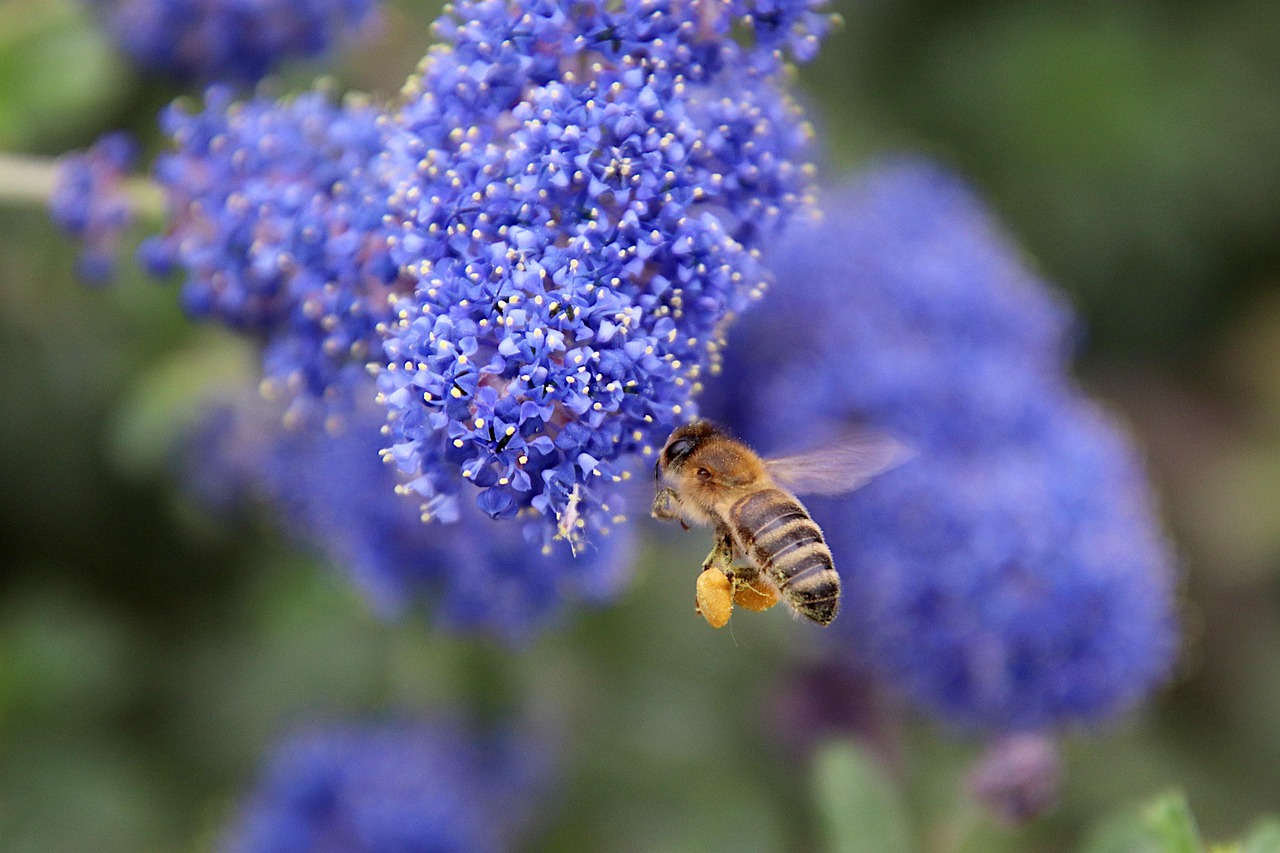
The third Saturday in August is designated as World Honeybee Day, which gives us the opportunity to recognize our favorite partners in gardening. Honeybees are critical to our ecosystem, and for gardeners, they help us by not only pollinating our favorite flowers, they also pollinate one-third of the world’s food supply, such as apples, blueberries, and almonds, to name just a few. And sweetest of all, they give us honey!

If you’d like to explore ways to write about our tiny winged partners and nature in general, you might be interested in joining us at Women on Writing for Let’s Get Dirty! Writing From the Garden – Live Zoom Class with Ashley Harris on Friday, August 21, from 2 – 4 p.m.

WEBINAR DATE: Friday, August 21, 2026

WEBINAR TIME: 2pm – 4pm ET

DURATION: 2 Hours

LOCATION: Live webinar via Zoom

FEEDBACK: The last 15 minutes of the lecture will be open to Q&A. Students can also send questions ahead of time, to be addressed during the lecture.

SPECIAL OPTION: Receive a personal critique from me of 3 double-spaced pages of your work within two weeks of the class for an extra fee. This includes at least one submission recommendation.

COURSE DESCRIPTION: Merriam Webster defines the word “garden” as simply “a plot of ground used to grow vegetables, fruits, herbs, or flowers.” But to writers such as Emily Dickinson, William Wordsworth, Mary Oliver, and Jane Kenyon, just to name a few, gardens offered so much more—inspiration, reflection, and serenity. Whether you’re someone who enjoys just visiting gardens or you’re someone who insists on plunging your own fingers into the dirt, this workshop is for you. In our time together, we’ll “dig” into the many ways that gardens and nature can elevate both poetry and prose through the senses and special themes.

This live Zoom webinar starts and ends on Friday, August 21, 2026.

Time: 11 AM – 1 PM PT | 12-2 PM MT | 1-3 PM CT | 2-4 PM ET

The webinar can be viewed on a tablet, phone, or computer (both Mac and PC).

As always, I’ll record the class and have it available for anyone who would prefer to view the class at a on their own schedule.

CLASS AT A GLANCE:

Live Webinar: Let’s Get Dirty! Writing from the Garden

Duration: 120 minutes

For two hours, I’m taking my gloves off! I’ll share excerpts from work featuring gardens that will inspire you immediately. I’ll cover the many ways that gardens can elevate our writing, from senses to symbolism, along with writing prompts to generate your own pieces, and I’ll also offer tips on how to incorporate your gardening experiences, whether they’re magical (like those volunteer cherry tomatoes) or miserable (try growing lilacs in the humid south!) into poetry and prose. For an extra fee, I’ll critique your work and you’ll receive a targeted submission recommendation within two weeks of the class.

Topics include:

  • Excerpts from published garden pieces through the ages to inspire you
  • Discussion of themes drawn from gardens in history and folklore
  • How visiting or working in gardens can inspire a theme for all types of writing
  • Three prompts to generate poetry and prose on your own
  • A discussion of ways to let nature help conclude your work
  • Overview of outlets to publish your work
  • Recommended books featuring garden writing to continue to inspire you
  • Q & A

Materials Needed: A pen or pencil, a writing pad, and your imagination

Read what some of my students have said about recent workshops:

Thank you for the wonderful workshop (Writing is for the Birds). I am still on Cloud 9. You are the best teacher, best poet, best role model I know. I am eternally grateful for you and all that you do. Thank you for your teachings, your feedback and suggestions, your giving soul. You give me confidence in my voice. Thank you. – Mary Alice Dixon, author of Snakeberry Mamas: Words from the Wild (Writing is for the Birds)

Writing is for the Birds was fabulous! I loved hearing everyone’s work. So inspiring! I am also interested in any future classes – Lisa Sukenic

Ashley, you and all the attendees are inspiring. Your class (Writing is for the Birds) yesterday was such a pleasure! I was very impressed with your approach to commenting on the work attendees shared. You not only encouraged them but also highlighted specific details of what they did well. Thank you! I love your idea of letting birds help set a scene in place, time, season, and mood. And I’m hoping to add more birds to present and future writing projects. I’m also looking forward to your class on writing about fur-babies! With much appreciation, Rosemary Poole-Carter

I really enjoyed the presentation (Writing is for the Birds)! Your enthusiasm for birds is contagious and makes me want to try my hand at including birds in my own writing. Also loved the idea of your Pet Project course coming up and will keep an eye out for that. Thanks again and best wishes to you! –Julie Flanders

Great presentation! Lots of food for thought and future writing. Writing is for the Birds was just the right amount of each element…the examples, the writing to prompts, the resources, etc. Thank you for doing this! – Betty McCreary

Ashley, Writing is for the Birds was an absolute JOY AND DELIGHT! The presentation, the participants, the prompts, the poems, the pacing…I loved every minute! – Michelle Seitzer 

TO REGISTER:

I hope you’ll join us on Friday! To register, go to Let’s Get Dirty! Writing From the Garden – Live Zoom Class with Ashley Harris and scroll down to the end of the page.

Until then, I hope you’re enjoying the summer and all the gifts this season has to offer, especially our dear honeybees! They’re a great source of inspiration for any writer. In the words of zoologist Karl Von Frisch: “The bee’s life is like a magic well: the more you draw from it, the more it fills with water.” 

Ashley
Join us for the Pet Project on Friday, June 19 from 2 – 4pm

Writer Friends and Pet Lovers! This month, I had the honor of writing the lead article in the June newsletter for Women on Writing, Never Alone, Your Pet as Muse. Just for you, I’ll share an excerpt with some of my favorite writing prompts featuring our “other babies.”

Write a story for children. Like so many other Gen X’ers, I grew up on the illustrated tales of Richard Scarry and Dr. Seuss. Featuring animals in a story is an easy way to captivate children and to gently teach them important life lessons. This is especially appealing for writers who also like to draw or are willing to learn. Or, in the example of Stan and Jan Berenstain, creators of the kid’s lit franchise, Berenstain Bears, you can also find a collaborator! 

Give your fictional character a pet. The addition of a pet can add texture to the life of your protagonist, and in the case of Jasper, the dog of Mrs. De Winter in the novel Rebecca, they can also help advance the plot. Jasper led our heroine on a number of adventures that ultimately helped unravel the novel’s deepest secret.

Where is Fido? Take a pivotal point in your life and put your pet in it. The harrowing and poignant modern essay, The Fourth State of Matter, by Jo Ann Beard, gets its momentum from the author’s masterful weave of her collie’s illness and a workplace shooting. Where was your pet during your own struggles? Make a short diary of their behavior and your dilemma and watch them magically converge into an essay of your own. 

Give your pet the pen. Write a scene from your own life from the point of view of your pet. But there’s a catch. You must be perfectly serious. Comedy will naturally arise, but it will be even funnier if you let your dog describe you baking a cake or weeding the garden without irony or intentional humor.

Your pet at work. My dogs and cat spend most of the day snoozing, to be honest. But when Little Puss is stalking a lizard or when my husky Max is alerting me to the arrival of the postal carrier, they are all business. In the spirit of White’s beloved Fred, describe the unwavering dedication of your favorite hunter or guardian in work mode.

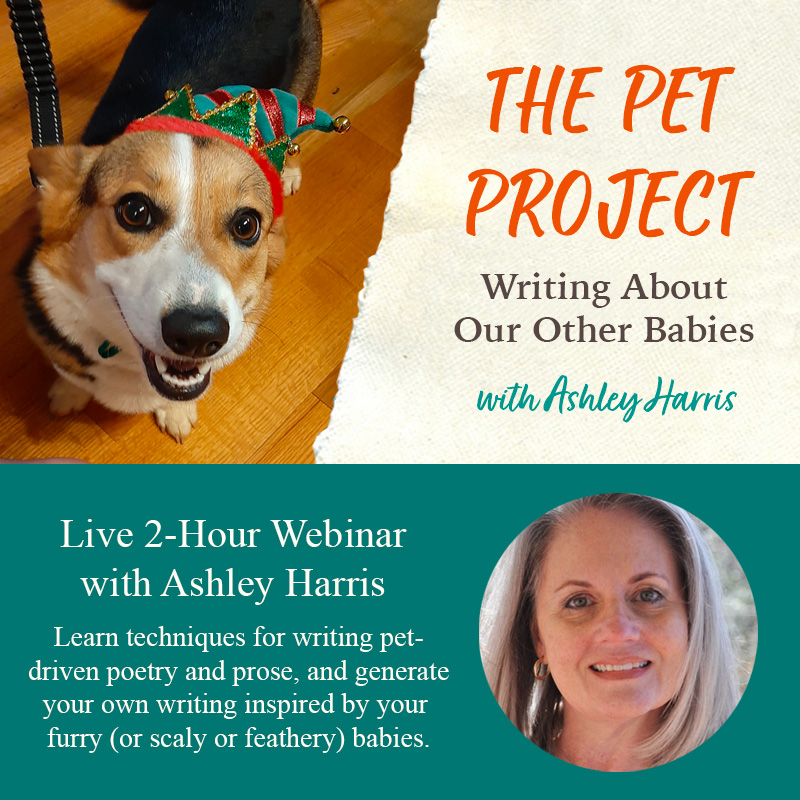
If these prompts intrigue you and you’d like to have even more, I hope you’ll join us for The Pet Project, a two-hour workshop on Friday, June 19, from 2 – 4 pm ET. At this special event, we’ll read pet-driven poetry and prose written by masters such as E.B. White, T. S. Eliot, Rachel Wetzsteone, Mary Oliver and more, and discuss techniques from them that can enhance portrayals of our own pets. We’ll use THREE unique prompts guaranteed to generate instant work you may polish later and submit for publication. As with all my classes, I’ll also include a roundup of magazines and websites eager to publish your writing. And for an additional fee, I’ll critique up to 3 pages of your work and offer targeted submission opportunities.

During our time together, we may laugh, and yes, we may cry a tear or two, but it will be time well spent. Hope to see you (and your pets) there!

For more information and to sign up, please click here.

Wishing you and your other babies a happy spring!

Ashley, Max, Tulsi, Hermia and Lysander

Tips on Publishing Short Pieces

Writers! Let’s finish 2023 on a strong note. Join me and Charlotte Lit on Tuesday, November 7, from 6 – 8 p.m. for a Zoom class on where and how to publish your short pieces. We’ll survey the most exciting open calls and contests seeking your work now, whether poetry, fiction, nonfiction or hybrid.

Hope to see you there!

Bring on the Drama, Mama!

I don’t keep up with the news as much as I should but occasionally a little sound bite from the living room, where my husband watches TV, invades my study. The snippet “Less Drama, More Mama” recently made its way into my head, and as rhymes do, it lodged there.

Giving up the “drama” of politics makes sense for Kellyanne Conway, a mother of four, but the opposite is true for fiction writers. Our mantra should be “Bring on the Drama, Mama!”

When we pen short stories, drama is absolutely essential. It raises the stakes for our characters and magically captivates our readers. For example, if we’re writing a story about a young mother coping with a painful separation, we can’t make her circumstances too easy. Suppose she holds out hope that her husband will come back. The worst thing in the world would be for Sam to just walk back into the house with his suitcase and say: “Mary, I’m home!”

It’s not that we’re being cruel. It’s not that we want to watch Mary suffer. But we have to be realistic and understand that in real life these things don’t work out so perfectly. We want our reader to care about Mary and root for her. The best thing we can do for Mary is to increase the drama even more. We should have her discover that Sam has not only been cheating on her with his secretary, they’re now living together. And although Mary dreams of helping support her two kids by opening a bakery, her loan application gets turned down. To make matters worse, the bank repossesses her car! Poor Mary.

Not so fast. Because we’ve seen glimpses of Mary’s extraordinary baking talent and her compassion for making muffins for an elderly woman in the neighborhood, we don’t feel sorry for her. In fact, the reader has every reason to believe that Mary has it in her to survive these events. We like Mary and because Sam is a selfish lout, we believe she deserves a good life without him.

The fiction writer increases admiration for Mary by watching her react to events that might crush the average person. For example, when Sam refuses to co-sign a new loan, we show her react by baking more muffins. That’s when it dawns on Mary that due to the pandemic, a business in a public building would be a very bad idea right now. So she decides to start her bakery at home, and not only does she make enough money in one weekend to get back her car, she’s far too busy to miss Sam anymore.

For the writer, the act of adding more tension to our story makes it fun to write. We don’t have to worry about “blank-page-itis” anymore because we’re suddenly enthralled with helping Mary develop the qualities she needs to thrive. The reader gets to see a little of herself in Mary, and grow along with her. The world is suddenly a better place. So bring on the drama, Mama!

Drama is just one of the topics that we’ll cover in my upcoming Charlotte Lit online workshop: Let’s Write a Short Story: Studio. What makes this course different is that every student gets a special “Story Worksheet” created by me just for this course. As we go along, I’ll be helping students fill out the worksheet step-by-step. This will enable students to thoughtfully construct each of the five essential elements of the short story before writing it. That way, when students start writing, which is the next step, they’ll have all the elements in place to captivate their readers, page by page. And they’ll receive help from me every step of the way. These lessons will help students generate even more stories well beyond this course.

“Let’s Write a Short Story” Studio starts on Sunday, September 13 and runs through Saturday, October 10. Enrollment is limited to just twelve students, so sign up soon to reserve your spot. What are you doing this fall? Raking leaves or fretting about COVID? I hope you’ll be writing along with me.

Learn more and sign up here.

New Online Class on the Short Story Starting September 13!

Great news! For several weeks this summer, I’ve been at work with my friends at Charlotte Lit designing an exciting new online class–my first ever. This class is what we call a “Studio,” which means that it offers deeply engaging, content-rich online modules and a combination of pre-recorded and Zoom live course instruction through a really cool platform called Wet Ink. The course runs from Sept. 13 – October 10, which will give students the rare opportunity to draft a full-length short story AND receive detailed feedback from me. It’s unlike any course I have ever taught, so I am really excited!

Most short story workshops throw students into the open sea without a life ring. What makes this course different is that students have the benefit of using a “Story Worksheet” created by me just for this course. As we go along, I’ll be helping students fill out the worksheet step-by-step. This will enable students to thoughtfully construct each of the five essential elements of the short story before writing it. That way, when students actually start writing, which is the next step, they’ll have all the elements in place to captivate their readers, page by page. And they’ll receive help from me every step of the way. These lessons will help students generate even more stories well beyond this course.

During our time together, we’ll also study model stories by masters such as John Cheever, Shirley Jackson, and Alice Walker, but we’ll also cover excerpts by contemporary authors such as Tessa Hadley and Ralph Hart. I’ll also share how this same technique helped me write “Golden Delicious,” a short story which earned first prize last year in the Starving Writers Competition sponsored by the Franklin County Arts Council. Studying the work of other writers will give students the opportunity to learn how to read a short story like a writer, another exercise that will deliver practical dividends throughout their lives. Even better, the principles we learn can easily be applied to the novel as well!

“Let’s Write a Short Story” Studio starts on Sunday, September 13 and runs through Saturday, October 10. Enrollment is limited to just twelve students, so sign up soon to reserve your spot. What are you doing this fall? Raking leaves or fretting about COVID? I hope you’ll be writing along with me.

Learn more and sign up here.

Are You Ready to Write a Short Story?

We’re counting down the days until Saturday, March 7, the day of my special workshop, “DIY – Write a Short Story in a Day,” at Central Carolina Community College in Pittsboro, and I could not be more excited!

Some people say that the best way to write a short story is to take advantage of that first burst of passion and write it all at once. We know that this is how Shirley Jackson conceived and wrote her beloved and intriguing story, “The Lottery,” and I suspect that many other writers use this same approach. We’re going to try this method ourselves, with the help of a one-of-kind short story writing kit I designed just for this class. From story triggers to the five essential elements of a classic short story, our students will have just what they need in one convenient (and cute!) little box. Everything but the typewriter (or pen and paper, if that’s your preference)!

I’m currently assembling all of the kits, and being an amateur “crafter” of sorts, I’m relishing every moment. When it comes to sewing, for example, it’s very important for me to have all of my materials — machine, rotary cutter, thread, fabric, thimble, even my ripper– by my side. Why should writing be any different? My hope is that our students will take these “tools” with them beyond the class and use what they learn to generate and pen an endless array of short stories.

There are only 2 slots left in the class, so if you’re interested, don’t miss out! You can easily sign up by registering online or by calling (919) 545-8044 during regular business hours.

And if you can’t get enough writing inspiration, on April 25, I’m leading a workshop on Share Your Writing with the World – Revision and Submission, also at CCCC, which will be the perfect follow up to our March class. We’ll talk about markets for short stories and more, including flash fiction, creative nonfiction and essays, and poetry.

Hope to see you soon!

Golden Delicious in Franklin County!

On SatuAshley-Franklin (2)rday, December 14, I had the pleasure of attending the launch of County Lines: A Literary Journal (Vol. 7).
I joined a number of talented writers who also had work published in County Lines. I was deeply honored to read my story, “Golden Delicious,” which was chosen by writer Nancy Peacock as the 1st Place winner in the Starving Writers Fiction Contest. I particularly enjoyed meeting Jackie Dove-Miller, Contest Chair and a celebrated poet in her own right.

A theme quickly emerged among the work read that day: the twin poles of grief and the joy that our loved ones bring us.

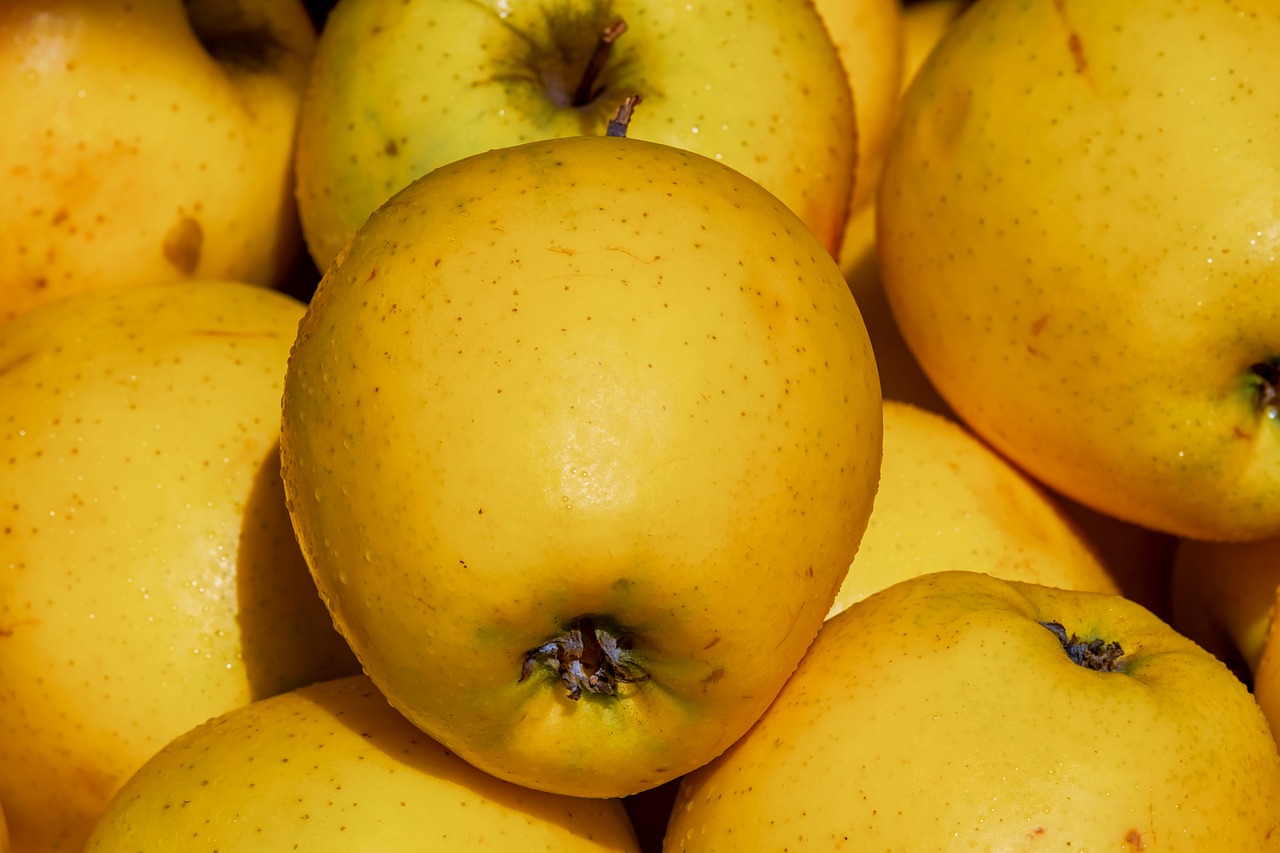
My own story was inspired by my sometimes disastrous pie-baking adventures  and girded by memories of my beloved grandmother Wilma. “Golden Delicious” was written in letter form, but follows a traditional short story structure that we’ll cover in my Central Carolina Community College workshop in the spring: DIY Kit: Write A Short Story in a Day. More to follow, but in the meantime, I hope that your holiday season is filled with your own favorite apples, whether that be cider, pie, jam, or more!

golden delicious


Short Stories at Pittsboro Writers’ Morning Out!

ashley at pmoOn Saturday, I had the pleasure of spending an hour with the distinguished writing group known as Pittsboro Writers’ Morning Out, (sponsored by our friends at the N.C. Writer’s Network) in Pittsboro. We met in the backroom of the Greek Kouzina restaurant and discussed the outlook for the modern short story in today’s literary landscape.
The good news is that the short story appears to be stronger than ever and with distinguished publishers such as W.W. Norton and the vibrant community of online lit magazines publishing more short stories than ever before, the time has never been better to write stories! Bolstered by the recent surge of flash fiction, new markets for short fiction appear every day.

We also awarded the WMO’s own “Ultra Flash Fiction Award” to the talented and distinguished writer Judith Stanton, and I was very happy to be the one to read it aloud. Her “Life is A Tale You Write As You Go,” was lyrical, evocative, and utterly spellbinding. My hour went by way too fast, but I did so enjoy spending time with both old friends and many new ones.

On our way home, we stopped by and visited our good friend Lee Calhoun, who is a national expert on the southern apple, and interestingly, is featured in the August-September issue of Local Palate Magazine.  Crazily, and doesn’t the short story show up in unexpected ways, but on the way home I learned that I won first place in the Starving Writers Contest sponsored by the Franklin County Arts Council for my own short story titled “Golden Delicious.” Talk about apples to apples! It will be published in County Lines magazine in November.

The good news for you is that there are many places to submit your own stories, from Women on Writing and Mental Paper Cuts (both with deadlines of Aug. 31) to Okay Donkey and The Disappointed Housewife, which accept stories on a rolling basis. These are a few of my favorites, and they are just the tip of the iceberg!

So keep sending your own “apples” out there! You never know just where they may end up.


What makes a successful writer?

flowers.jpgIn this particular order….

1- Love of language

2 – Internal burning desire to write, write, write….no matter what’s going on in their lives

3 – Abiding curiosity (obsession!) for the human experience

4 – Significant body of work to draw from so there’s always something in circulation — plenty of pieces to submit and re-submit when the times are tough.

What do you think? Am I missing something? It’s entirely possible!

Flash fiction takes a direct shot

“Going at such a pace as I do, I must make the most direct shots at my object…no more pause than is needed to put my pen in the ink.” ~ Virginia Woolfclassroomshot

The above quote, shared at my Central Carolina Community College workshop last Saturday, does more than express the intensity of flash fiction; it also illustrates how quickly the time passed!

Our Flash Fiction Bootcamp II did indeed end far too quickly! In fact, we were still writing when the security guard at Central Carolina Community College came around and politely tapped her watch. But me and the seven devotees (eight if you count my trusty assistant, husband Johnpaul) of creative writing could have kept writing for hours….

We opened with an inspirational reading of Liz Wride’s terrific flash, Painted, published April 11 on Milk Candy Review.  For our first prompt, we riffed on her evocative first line (“They passed a law that everyone had to…..”) as a spark for our own stories. The results were both pithy and magical, ranging from “be kind to each other” or “own a Komodo dragon.” So much fun! Thank you Liz!

Other prompts included writing a flash from a favorite pet’s point of view and taking a cue from the Twilight Zone. One of our students shared a link to the opening narration so you can try this prompt on your own. We also played around with the French technique known as “N + 7″ which involves writing a couple of sentences and substituting nouns with every seventh you find in the dictionary after the original. This mode is particularly helpful when you find yourself stuck in a rut on a story. A new world can be just one word away.

The comments I received were far more than I deserved but very welcome, and the students kindly gave permission for their inclusion on this blog. “This was my first writing class,” said Mary T. “The encouragement received from Ashley was priceless and spurred me to write even more.”

“Ashley Memory is a great teacher – positive, affirming, inspiring. Love the quotes, writing tips, book recommendations.” Jeannie D’Aurora

And from Anne K., a veteran of the program, who is working toward her certificate in Creative Writing, a unique offering of the college:  “Ashley’s classes always provide a terrific combination of practical information, positive encouragement and hands-on experiences. She is both a talented teacher and writer and students get the benefit of both in her classes.”

As a departure from the norm, for my next CCCC workshop, we’ll tackle a cousin of flash fiction. On Saturday, September 21, 2019 at 9 a.m., we’ll explore the exciting world of flash essays. We’ll also talk about ways to expand short memoir-style pieces into longer formats, taking cues from Susan Shapiro’s The Byline Bible.

Hope to see you in September, but in the meantime keep writing and delighting!