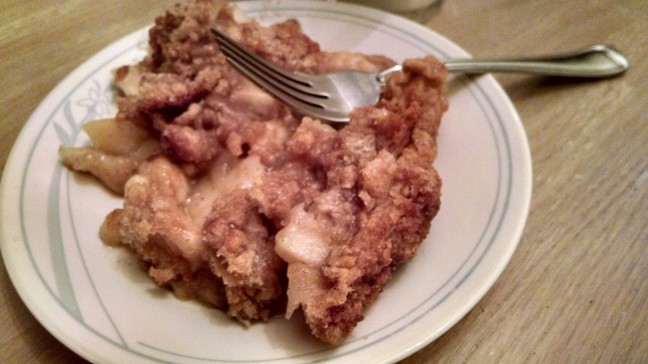
Treat your writing like fine cheese….

gruyere

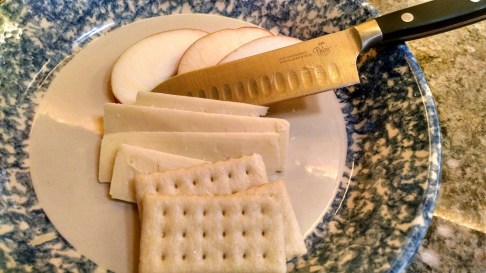
It is a truth universally acknowledged that the best Gruyère cheese–the one earning the lofty “AOP” designation in Switzerland–merges both morning and evening milk.

The poet in me likes to think this means both the cow’s morning cheerfulness and her late afternoon pensiveness swirl into the same vat. It’s more likely that mixing last night’s milk into the morning batch gives a head start to the culturing process. The cheese is then aged five months up to a year, another step which lends Gruyère its trademark complexity–sweet, salty, and nutty.

William Trevor, one of my literary idols, was famous for penning a short story and putting it away for as much as six months before re-reading and revising. Now that takes discipline! It’s also a testament to his productivity. I’m sure he had so many pieces in various stages of production that it never bothered him to shelve something for a time.

Jane Austen is another writer known for her reflection. Pride and Prejudice took many years to write. And this delightful novel started out with the title of “First Impressions.” It was only after months of revision and consideration did she settle on the final name of the book that we all know and love so much today.

Both Trevor and Austen, although very different writers, made a name for themselves through complex characters and subtle humor, two elements that can only flourish with adequate rumination and revision.

The next time you finish a story, poem, or essay, try putting it away for a little while. At least give it a good night’s sleep. Fan those first flames of enthusiasm (morning milk) with a healthy dose of maturation (evening milk). I bet you’ll end up with a final product as nuanced and delicious as Gruyère! Bon Appétit!

Stuck in a rut? Try something new!

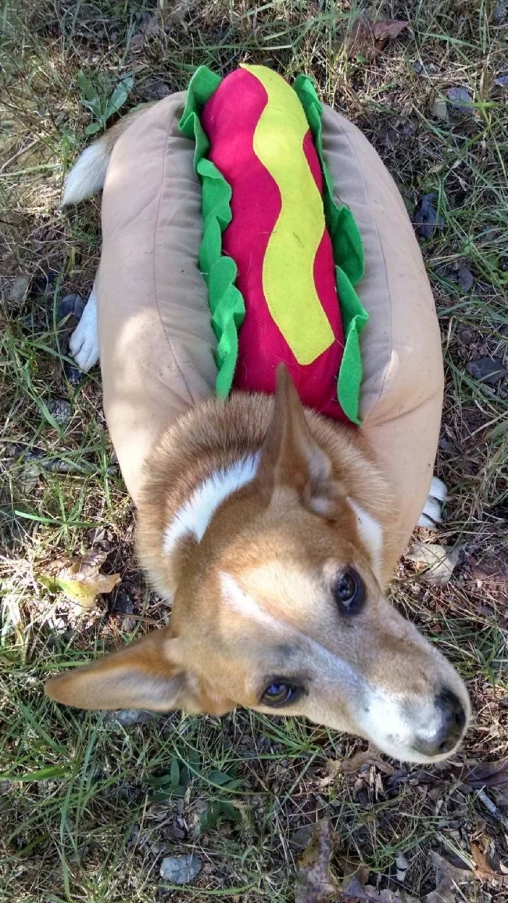
buster1.jpgFor Halloween, Buster, our little corgi-mix, decided to try a new look. Born with a hastily-tied white “Ascot” around his neck, he decided to switch things up this year. So he’s preening around in a hot dog bun. Hold the onions, please.
Buster’s transformation got me thinking about the myriad possibilities for writers. Are you stuck in a rut? Is your scarf askew? Sometimes, as we enter a new season–especially after a productive summer of writing–I start getting a little antsy. What’s next?

Like Chekhov, who loved wandering the cherry orchard, it helped me to go outside. On Whale Tail Road, we’re continuing to clean up brush and debris from two hurricanes. And Nature, as always, helped push me out of the rut. And it might help you too!

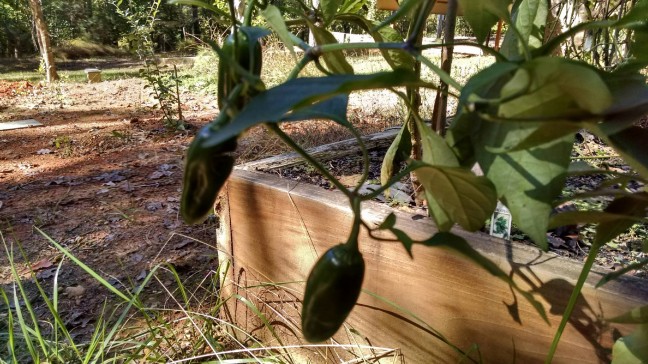
peppersOur jalapeno peppers truly hit their stride this fall, blessing us with a bountiful crop, even in October. So why not put a little kick in your own writing? When I think of the unexpected, Shirley Jackson always comes to mind. In her short story, The Daemon Lover, the protagonist takes the reader through a labyrinth of suspense. Does her mysterious fiancé exist at all? Can you take your reader on a similar journey? No need to veer into a thriller or horror (unless you want to!), you can actually do a lot by putting the familiar into a new context. Does the trip home, a short walk she has always taken, look a different to your protagonist today? Humm….
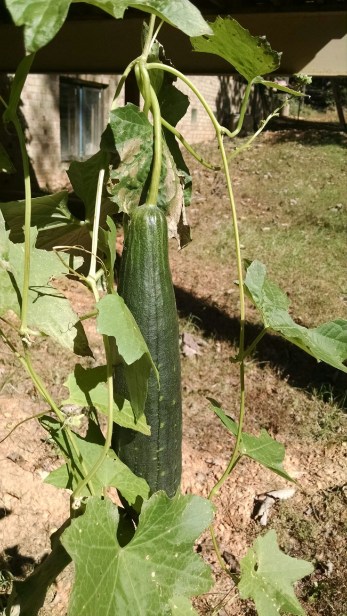
loofahGardening constantly surprises–with “volunteer” crops springing up in the most unexpected places. And this year, we had a volunteer loofah plant! When the seeds of last year’s crop fell through the deck, a new vine entwined its way up the retaining wall.
We’ve always loved loofah for its exfoliating qualities, so this, too, sent me on a detour. Like the loofah, all writers should feel free to “scrub off” the dead skin and start anew.

Can you give new life to a dead short story by turning it into a poem? And if that doesn’t work out, consider taking it back to a flash story, a shorter version of what you started with. I’ve had a lot of fun recently working on a short story of mine, “Lost and Found of the Dead,” which has turned into a poem, and then back into a story again.

Writing is the ultimate metamorphosis, when you think about it. What other profession allows you to “slip” into a costume and enter the mindset of someone else? No strings, no responsibilities, and it doesn’t cost a penny. So try something new this season and finish your 2018 writing year strong!

So from Buster and all of us at Whale Tail Road, Happy Halloween, er, make that Happy Transformation!


Fiction and Celebrity Sightings at CCCC

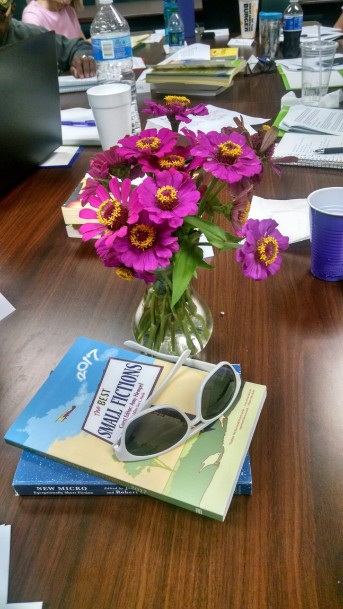
submission-class-photo.jpg
Dahlias, Courtesy of Ruth Moose


Yesterday, a group of fiction devotees met at Central Carolina Community College in Pittsboro to delve further into a favorite topic: flash!

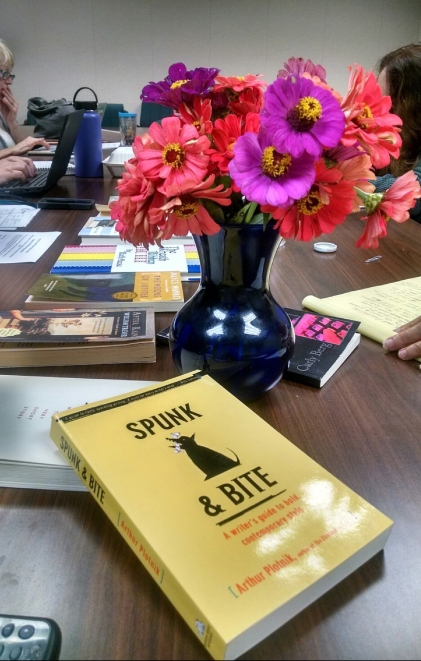
We talked about revision and the necessity of tantalizing titles and edgy diction (special thanks to Arthur Plotnik, author of Spunk & Bite). Then we covered publication opportunities, including contests, which are great avenues for beginning fiction writers offering prize money…. plus publication!

And of course, back by popular demand, we made time for new writing sessions.

Drawing from a favorite prompt in The Practice of Poetry, edited by Robin Behn and Chase Twichell (“Aunt Dottie Catches the Hankerchief Tossed by Elvis from the Stage of the Sands in Vegas”), we imagined an interaction between a relative and a celebrity and wrote a story about it. From a beloved uncle meeting St. Peter in heaven to a girlfriend running into a famous rock star at Linens N’ Things while buying a toaster, our writers truly soared with this prompt.

So…next time you’re in line at Harris Teeter, and you think the woman in the big sunglasses behind you looks a little like Ann-Margret, don’t waste the moment asking for an autograph. Get out a pen and make notes for a flash fiction instead!

Many thanks to the attendees of all three flash fiction workshops this year (spring and fall). I hope you had as much fun as I did! And whatever you do, be sure and stay posted to this blog for news of future workshops on the exciting and evolving topic of flash fiction.

Join us on Saturday for Flash Fiction II!

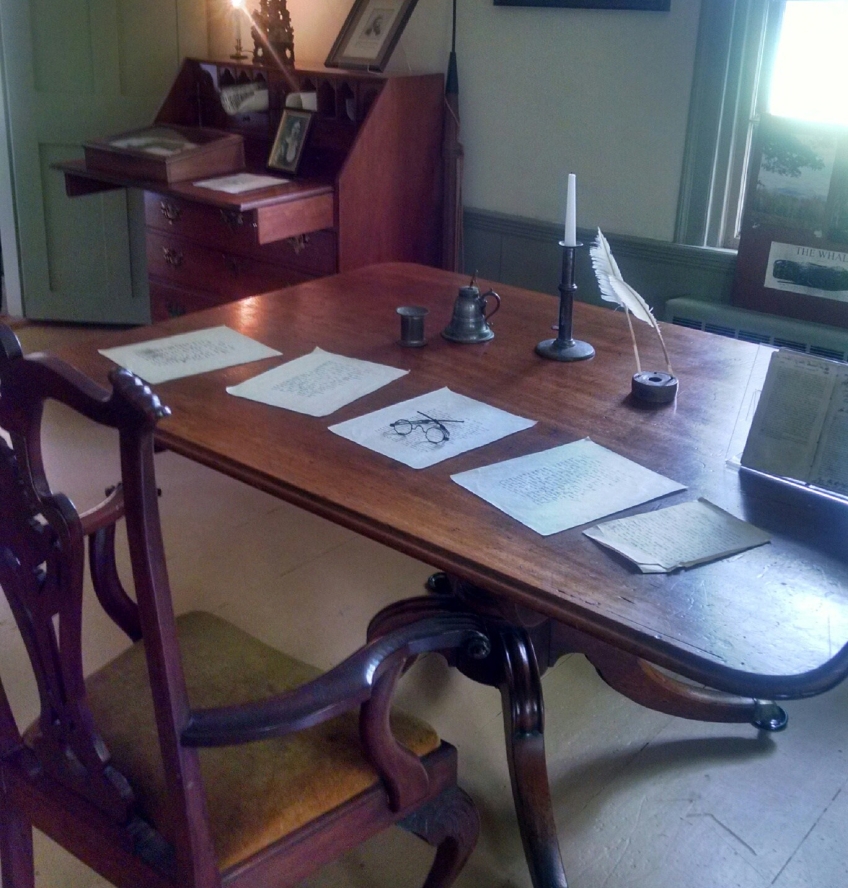
desk.jpgFlash fiction is an exciting field, and for writers, there’s always something new to discover and learn. Fresh from a wonderful journey through the literary heart of our nation — the haunt of Melville and Twain, to name a couple of famous authors — I’m bursting with inspiration and ready to share.
During our first flash fiction workshop this fall at Central Carolina Community College, we settled down with pens and like Herman Melville (whose writing den is recreated here) we wrote to our hearts’ content. And now, we’re ready to polish and prepare our work to share with the world.
If your schedule permits, I hope to see you this Saturday, October 13, from 9 a.m. – 4 p.m. in Pittsboro at Central Carolina Community College for Flash Fiction II: Revision and Submission for Publication. And I’ve got some great news! In preparing for the class, I discovered a long list of contests and publications seeking flash fiction — with deadlines by the end of the year!

I’m also sharing examples of cover letters from my own files that worked for me. In addition, I’ll  share my own blunders and “dont-do’s” that might save you from the kind of mistakes I made. I’d love to share these and more with you on Saturday, and as always, I welcome your own contributions.

Register today by calling at 919.545.8044 or through the CCCC website.

A Day of Flash Fiction ….

at Central Carolina Community College yesterday whizzed by so quickly that I couldn’t believe my eyes when the clock read 3:45….gulp!

sept22 class.jpgFrom a contemporary re-telling of a beloved fairy tale through text messages (yes!) to a memorandum from the Goddess of Chaos (hilarious!) and so much more, the contributions of all nine students simply took my breath away. And the emotions expressed struck every note on the xylophone, from laughter to tears.
What a good flash ought to do, according to Vanessa Gebbie, is to “catch you as you turn away, hold you, and when you’re finished reading, it should echo and resonate.” As the workshop leader, I can truly say that yesterday’s stories will remain with me for a very long time. It was truly an honor to be there.

We had planned to plow through six exercises but sadly, we ran out of time after the fifth. The good news is that everyone left with “homework,” so they can complete the final exercise on their own. And I’ll share it with you, just in case you want to give flash fiction a try. 🙂

Exercise 6. In the News. Choose an actual news headline and write a fictional story. (200-500 words). For example, “Chatham County Sheriff’s Office Uses Facebook to Catch Thief” or “Spring Hope Man Grows a Whopper of a Cantaloupe” (both are real examples from local news sources.)

Hint: To see how another writer probably did this, read “Local Woman Gets a Jolt,” a masterful short fiction by Jennifer Pieroni (published  in New Micro: Exceptionally Short Stories, edited by James Thomas and Robert Scotellaro).

Want more? It’s not too late! Join us on Saturday, October 13, for the next installment: Flash Fiction: Revision and Publication. Now that you’ve written your flashes, you’re ready to show them off! Bring a story of your own and learn how to revise, prepare and submit it for publication in online or print magazines, and how later to create a book-length collection and find publishers.

Flash Fiction – Two Days Away! Atten-hut!

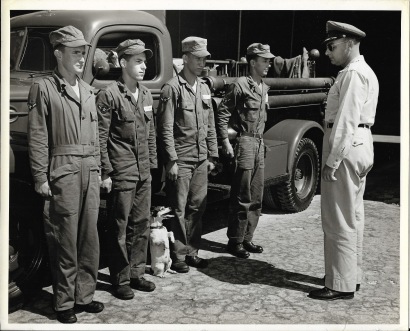
army dog_editedWhat could be better after a catastrophic hurricane than a daylong immersion in creative writing? Not much! If you agree, join us on Saturday, Sept. 22 at Central Carolina Community College in Pittsboro for a madcap adventure into the exciting world of flash fiction.
Yes, it’s a bootcamp, but it’s also going to be fun! Get ready for new prompts, new inspiration, and instant feedback. We have six fabulous exercises planned, from “Wacky Word Play” to “Coffee, Tea or Me” – a fictional restaurant review. (This little dog’s tongue is hanging out just thinking about it.) All prompts are designed to stimulate your imagination and bring to life six original short fictions you’ve written yourself!

We have just a few slots left so if you haven’t signed up yet, don’t delay. Sign up here and see you on Saturday. Atten-hut!


Tantalize with a title

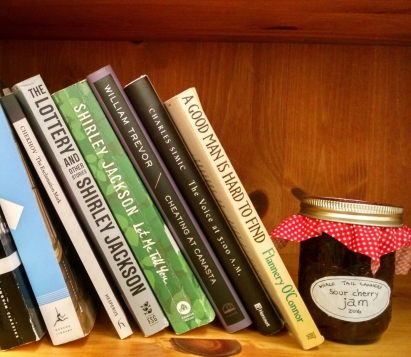
chekhov2We discussed first lines already, but we ought to back up a wee bit. Let’s talk about story titles.

When you finally finish that first draft of a story, don’t slap a thoughtless title on top. You’ve worked hard already, so why not invest just a little more time to hook your reader from the very beginning with a tantalizing title?

Take a look at the titles of the books featured in the picture to the left. Don’t they tempt you to at least open up the books?

As a former judge (I judged a high school literary contest for three years) and as a writing instructor, I have seen far too many stories saddled with ho-hum titles. Such as “The Table”, “The Painting” or “My Family.” While not offensive, these titles suffer from an extreme case of “run-of-the-mill-itis.” They could be the title for hundreds of similar stories. They don’t make the reader want to read them.

In contrast, take a look at some titles below, all from recent stories, most of which are available online.

“Howard’s Girl” ~ Jane Zingale, New Flash Fiction
“When Gorillas Sleep” ~ Frankie McMillan, New Flash Fiction
“Mr. Switzerland” ~ Marguerite Floyd, New Flash Fiction
“Sleepwalking in Texas” ~ Nicholas Cook, New Flash Fiction
“All the Sea in the Fish” ~ Rob Bockman, Tin House
“My Co-Worker’s Obituary Photograph” ~ Annie Hartnett, Tin House
“Christmas Alligator” ~ Reiser Perkins, Tin House

All of the above titles immediately drew me into the stories. They took me from the world of the general to the specific. Not surprisingly, the stories themselves did not disappoint. Below is a story title for the record books, one of the longest titles and most intriguing stories I’ve ever read.

“A Perimenopausal Jacqueline Kennedy, Two Years After the Assassination, Aboard the M/Y Christina, off Euboea, Bound for the Island of Alonnisos, Devastated by a Recent Earthquake, Drinks Her Fourth Bloody Mary with Mrs. Franklin Delano Roosevelt, Jr.”
~ Michael Martone, Field Guide to Writing Flash Fiction

A snazzy title is even more important for poetry and flash fiction, which are defined by brevity. Every single word must pull its own weight….and then some. And an exciting title is as inspirational to the writer as it is to the reader. A writer who can write a tantalizing title will undoubtedly work harder on that story, don’t you think?


Wrapping up the Story a Day challenge

I did it! Foblack raspberryr each day of May, I drafted a story every morning. This means I ended up with 31 rough drafts, more than enough to see me through a summer and fall of solid writing.

It wasn’t as easy as picking black raspberries, but I’m so glad I did it.  Most of the stories are still rough drafts but I now have at least 10 viable starts to longer pieces. And yes, looking back, there’s a little bit of “chaff” that may never see the light of day. Uh, what was I thinking?

So how did I do it? In the beginning, I leaned heavily on writing prompts from other sources. One of my more finished pieces is based on a mythological story–a love triangle resolved through clever debate (Thank you, Fred White, author of The Daily Reader.). Another one is based on a prompt from Story A Day, Write a Letter (Thank you, Julie Duffy).  I also pulled out a few latent ideas of my own that I’d been hoarding. Many ideas, however, seemed to just spawn themselves, a freaky synthesis of my own experience and writing mind, if that makes sense. One idea ended up yielding two separate stories!

Having worked on longer pieces for so long, I was a little out of the habit of generating new ideas. So I found the discipline of this effort extremely useful. As they say, we first make our habits, and then our habits make us. Not surprisingly, the more you write, the more ideas you get.

I also managed to make a little jam (strawberry and early peach). And yes, as another reward, I’ll  be treating myself to William Trevor’s collection of last stories very soon. And for now, I’ll be revising, revising, revising….


Another evening of story-telling…

scuppernong books
I’m reading “The Dave Department” — my short flash about waiting for a call-back from a service tech who seems to always be at lunch. (Photo credit: Anne Anthony)

Last night was rich with literary delights: writer-reader connections, stories galore, and scintillating conversation all within the charming Scuppernong Books in downtown Greensboro.

It was the final official leg of the book tour for The Collection: Flash Fiction for Flash Memory. I read two stories and we heard from six other authors, including our dynamic co-editor Anne Anthony. Each one of us had the opportunity to speak about what inspired our stories, which made the event particularly interesting. Want your own copy?  Order it here.

Interested in learning more about the exciting form of flash fiction? Sign up for one of two daylong workshops I’m leading this fall at Central Carolina Community College.

September 22, 2018: Flash Fiction Bootcamp. Think you don’t have time to write? Anybody has time for flash fiction, and by the end of this class, you’ll have five finished pieces. Bring your favorite writing gear (notebook and pen/pencil or laptop) and get ready for some prompts, new inspirations, and instant feedback. Atten-hut!

October 13, 2018: Flash Fiction: Revision and Publication. Now that you’ve written your first flash fictions, you’re ready to show them off! Bring a story of your own and learn how to revise, prepare and submit it for publication in online or print magazines, and how later to create a book-length collection and find publishers.

We’ll talk more about craft elements soon, such as the importance of a title…..

A Story a Day Keeps the Doctor Away!

strawberry.jpgHappy Summer! It’s technically spring but it sure feels like summer in North Carolina! And the great news–besides a bed of strawberries now ripening daily–is that there are myriad things to write about. I decided to take Julie Duffy up on her creative challenge to actually draft a new story each day. I’m having a blast, and I hope, keeping the doctor away.

Here’s what I do. I rise first thing in the morning, and before the whirlwind of the day takes over (walking the dogs, eating breakfast, or painting shelves), I give my unconscious mind free rein. Yes, I do have an idea in mind, taken from an ongoing list, but I try not to think about it too much until I actually put words to the screen. It’s a crazy thing. The more I write, the more new ideas spring up.

As a matter of fact, we went to the flea market this morning, which is the writer’s equivalent of paradise. I often joke with friends that I’d love to one day lead a workshop where I take my fellow writers to Sophia, to the flea market off Highway 311. Among the ripe mangoes, rose and hibiscus plants, old books, movies and the strange assortment of someone else’s odds and ends, there is a plethora of random and intriguing conversation.

  • “There you go, getting all cynical again!” said a vendor, possibly to a long-time customer.
  • “She’s not really a people person,” said a little girl when we asked to pet the Dachshund puppy in a stroller. (Would it be a “people dog?” Not sure. :))
  • “Do you know where Bulgaria is?” asked a man in response to my question about his accent.

Today I bought a picture from 1908, when people printed images and mailed them as postcards. Where else can you find such a thing from more than 100 years ago? I’m sure that gem will also be a prompt of some sort in the future.

We’re almost halfway through the month, and I’ve drafted stories about a baker, a university town that pays its residents for their dreams, and two bickering sisters who accidentally leave their aging mother at a rest-stop. They may not all pan out as complete stories but as the writer Ray Bradbury once said: “Write a story every week. It’s impossible to end up with 52 bad stories.”

Here’s hoping your writer’s garden blooms with inspiration!