Ever wondered how your favorite writers are able to stitch together an unputdownable essay? I did, too. So I studied my favorite essays for years, literally took them apart, line by line, scene by scene, until I discovered just what made them tick.
The good news is that I’ve discovered a secret (or two) that I’d like to share with you. This will save you from much of the guess work and revision headaches that come with drafting a successful longform essay.
“Shaping Creative Nonfiction with a Narrative Arc,” a two-hour webinar hosted by Women on Writing, features special readings, writing prompts, and the revelation of the secret behind a successful narrative arc, the glue that magically hooks the reader, followed by an exercise to help you develop your own. During our time together, I’ll also offer an overview of current markets publishing creative nonfiction, and by the end of class, you’ll have all the tools you need to finish your essay and a schedule of submission deadlines so you can share your words with the world. For an extra fee, I’ll critique up to 3 pages of your work-in-progress and give you a targeted submission recommendation within two weeks of the class.
As with all my webinars, I promise it won’t be all work. We’ll also laugh and have our share of fun! I’d love to see you there, so if you’re interested, please register here.
Special note: Thank you to everyone who kindly signed up for “The Poetry Express” webinar earlier this month. We had a blast, and I thoroughly enjoyed reading the terrific poems generated during this event. In fact, it was so successful that we’re planning “The Poetry Express II,” in the fall, complete with all-new prompts and even more inspiration poems! Stay tuned for the details.
In the meantime, take care, and I wish you a productive summer of writing!
FEEDBACK: The last 15 minutes of the lecture will be open to Q&A.
COURSE DESCRIPTION: Do you long to write poetry but have always been intimidated? Or maybe you’re an experienced poet who just needs a little extra zoom. Either way, you’re invited to hop aboard the “Poetry Express” (exclusively offered through Women on Writing) where you’ll learn a nifty technique for writing an engaging free verse poem on the spot, followed by four additional prompts to generate even more. Your “ticket” will also include editing tips to sharpen your poems, along with an overview of markets and contests and best practice poetry submission tips that will significantly increase your odds of publication.
This live Zoom webinar starts and ends on Wednesday, May 14, 2025.
Time: 11 AM – 1 PM PT | 12-2 PM MT | 1-3 PM CT | 2-4 PM ET
The webinar can be viewed on a tablet, phone, or computer (both Mac and PC). The class will be recorded available for anyone who would prefer to view it at a different time and date.
CLASS AT A GLANCE:
Live Webinar: Poetry Express: Five Poems in Two Hours
Duration: 2 Hours
All aboard! In this express two-hour class, I’ll share excerpts from notable published poems that will inspire you to write your own. I’ll introduce you to the 3-step “Poetry Express” prompt guaranteed to bust through inhibition and help you generate an instant poem, followed by four equally inspirational prompts to write even more. I’ll then offer tips and tricks to help you polish your poems with an aim toward publication, along with an overview of current markets. By the end of class, you’ll have five draft poems and a schedule of submission deadlines, plus take-away wisdom to help you establish a lifelong poetry habit. For an extra fee, you can have your work critiqued me and receive targeted submission recommendations within two weeks of the class.
Topics covered include:
Overview – why you should write poetry
A review of published poetry to inspire you
3-Step “Poetry Express” Prompt (board a train, grab a window seat, and enjoy the ride!)
Four additional prompts to generate more instant poems
Tips to edit your poems for publication on matters of sound, turn, punctuation, line breaks, and titles
Overview of contests and markets, including best practice submission tips just for poetry
Tips and a list of recommended books to keep your poetry train going
Q & A
Materials Needed: Your favorite writing implement (pen, pencil, writing pad or keyboard) and your imagination.
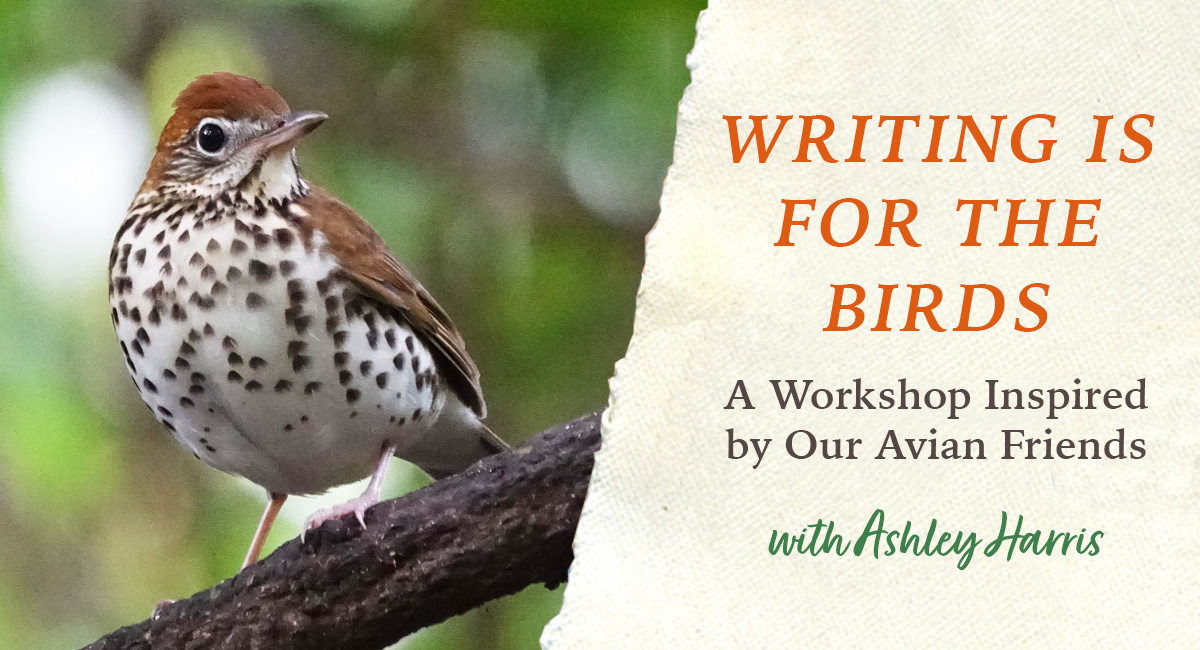
ABOUT ME: Ashley Harris is a poet and teacher whose first poetry collection, Waiting for the Wood Thrush, described by acclaimed poet Ruth Moose as “witty, wise and overflowing with life and color” debuted in 2019 (Finishing Line Press). She has won the Mary Ruffin Poole Heritage Award from the North Carolina Poetry Society for her poem “A Widow on Chester Street,” and has written poetry for O. Henry Magazine, The Phoenix, Naugatuck River Review, Broad River Review, Kakalak, among many others. Since 2021, she’s served as a critique editor and judge for WOW’s quarterly fiction and nonfiction contests, and her favorite hobby, by far, is helping other writers achieve their publication dreams.
POETRY EXPRESS with Ashley Harris (Wednesday, May 14, 2025, 2pm – 4pm ET) Limit: 25 students. Early registration is recommended.
COST:$40, which includes one two-hour webinar with a 15-minute Q&A with me.
OPTIONAL CRITIQUE ADD-ON:A personal critique from me of two poems (one-page limit each) plus submission recommendations for $40 ($80 total).
Writers, I hope that you’re as inspired by spring as I am! For April, I was honored to write the newsletter introduction for the acclaimed Women on Writing community. I’m reprinting it here below with a link to the complete edition at the end.
While we never had more than snow flurries where I live, it’s been a long winter—wet, gray, and cold. So last week when I brushed away the dead leaves from my hydrangeas, I was thrilled to see new shoots emerging from the roots.
And since we’ve had a warm spring so far, my strawberry plants and roses have also sprouted new leaves. Hallelujah! It made me wonder—what writing inspiration longs to spring up from my dormant imagination?
With my knees in the dirt, prepping flower, berry, and vegetable beds for another busy year of gardening, I couldn’t help observing even more parallels to writing. Just for you, I’ve compiled a special list of chores to stimulate your own writing “buds” for a productive literary “spring” of your own. But no worries, very little physical labor is required. These are fun chores.
Rake. Clear away the winter detritus and make way for sunshine! If your desk is covered by a blanket of odds and ends—old sticky notes, tattered magazine clippings and unopened junk mail—it’s time to rake them to the recycle bin. Or maybe the files on your laptop need a little organization—consolidation, deletion, or migration to a thumb drive. Whether it’s your physical or virtual space, leave plenty of room for fresh new files to sprout and grow.
Sow. Now the real fun begins! You’ve cleaned your literary “garden” and you’re ready to “sow” your own seeds of inspiration. Look out the window and observe the natural world. Or better yet, stroll outside. Take a few moments to describe the swelling leaf buds of the trees. Sniff the nascent flowers of fruit blossoms such as peach or plum. Observe the acrobatic feats of the squirrels. Record these impressions as you make them and be sure to note any themes that come to mind—such as rebirth, recovery, new beginnings. Ask yourself how these ideas might influence your own writing—the motivations of yourself (nonfiction) or your characters (fiction).
Fertilize. I look forward to many new blooms this year from my favorite roses, both old and new, such as “Summer Romance,’ “Scepter’d Isle,” and “The Poet’s Wife.” But unless I deliver a healthy dose of food, such as aged cow manure and alfalfa, they’ll be late to flower and they may never truly flourish. The same goes for writers. Are you as healthy as you can be? I’ll admit to indulging in some major comfort food during the winter doldrums, but now it’s time to fortify myself with healthier fare. More greens, less sugar, and more fiber. And in order to energize myself for writing, I need to get more rest. Take some time to set (or recommit to) habits that strengthen your mind and body.
Water. For the first time, I’m planting perennials such as chives, verbena, and armeria. These tender plants will require regular watering to establish firm roots and truly thrive. Humans, like plants, require the most basic element of all to exist—good ole H20. Are you properly hydrated? Last year, I didn’t drink enough water and the brisk winds and sun exposure dehydrated me, leading to a nasty eye infection and the inability to write for two weeks. I’m not letting that happen again! It should go without saying, but since I’m the worst offender, I’ll say it again. While writing, whether you’re thirsty or not, do yourself a favor and keep a tumbler of water nearby and sip frequently.
Nurture. This year I’ve planted more roses than I should, but as you can probably tell, I’m more than a little obsessed with them. Tending these notoriously difficult bushes, which are subject to a host of diseases in the South, will be challenging, but I remind myself that nothing of value comes easy. In terms of writing, I must keep the commitments I make to myself, whether it’s to finish that poem, start that essay, or meet the deadline to write that blog entry! In other words, keep the faith. Believe in yourself. Don’t let the demands of the external world interfere with your writing.
Share. Last year, I was blessed with so many strawberries that I frequently invited my friends over to pick all the fruit they wanted. Later, I divided the plants, potted them, and shared them with my fellow gardeners. Giving away the bounty of nature made me so happy. This act reminds me of the importance of submission. Nurture the world with your writing and send it out for others to savor. In a similar spirit, comment on the writing of others and encourage them in their work. Just like my strawberries, I promise that the rewards will only continue to multiply!
Repeat. Now that you’ve raked, sowed, fertilized, watered, nurtured and shared, it’s time to repeat all of the above! The first frost is months away, so make the most of the spring (and summer) to cultivate your own “literary” garden. I predict that you’ll enjoy “blooms” for not just months, but for many years to come.
For more writing advice, along with a “wheelbarrow” full of submission markets, check out the complete April 2024 WOW newsletter.
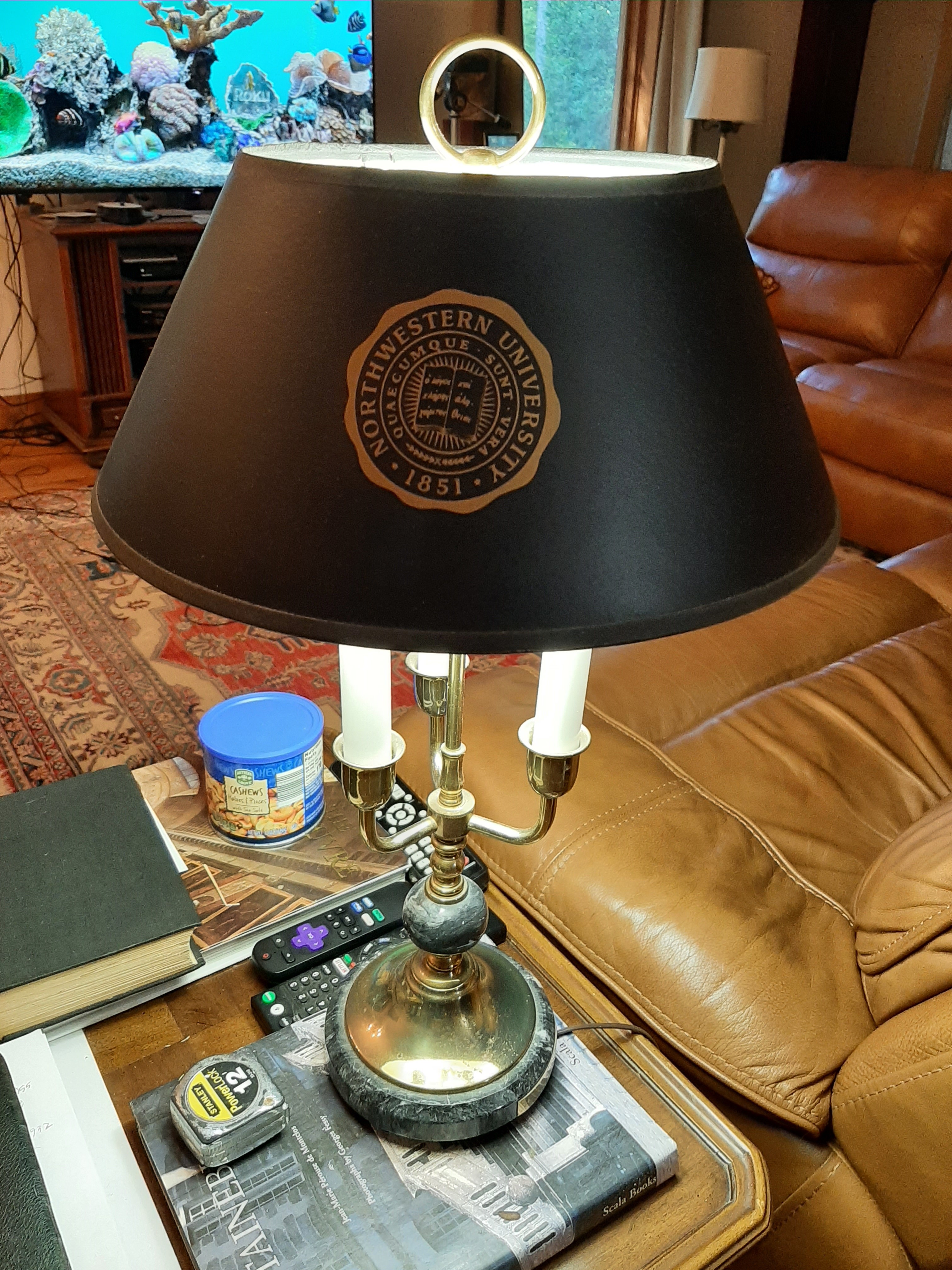
In 2018, my husband J.P. and I bought a used lamp that turned out to have a rather macabre history. It entered our lives at a pivotal time, and for a while, I actually thought it might be haunted. Of course I had to write about it. And I did, using this experience as the subject for an essay I wrote for a Women on Writing class with the extraordinary teacher Naomi Kimbell in January 2021. Writers among you may find the story of my essay as interesting as that of the lamp. It is truly a story of how many a “no” will eventually turn into a “yes.”
Because this work was so unusual, I felt that it might be a contest piece. I like contests because they’re usually open to all themes and for the price of the submission fee you often get valuable feedback. Over the past year and a half, I entered an essay I called “The Perfect Lamp” into a number of contests, and while it didn’t win, it was named a finalist in two places, the Lit/South competition and the Barry Lopez Nonfiction Award. Along the way, I also received a tremendous amount of feedback, from contest judges as well as that of my classmates and my faithful Mem-Warriors, Ang and Marilyn (whom I first met in another WOW class). Additionally, other friends read it and contributed their advice.
And I continued to submit, submit, submit……from pitching it to commercial magazines (yes, even the BIG one) to literary publications. I had never thought about it as a podcast but when I saw a market listing for PenDust Radio, a project of Rivercliff Books and Media, I started to think of my essay in a different way — not just as words on a page, but as an experience in sound. Because of the many nuanced elements in the story, it occurred to me that a podcast might be an interesting approach. Lucky for me, Lisa Duff, Rivercliff’s talented editor and publisher, agreed. She also helped me tweak the title, and just in time for Halloween, “The Perfect Lamp” has been reborn as “My ‘Haunted’ Lamp: Murder, Mystery and Remodeling” and is now live as a podcast.
The lesson for us writers is one we know all too well but still bears repeating. Submit, submit, submit! The practice of thinking about our work in its published form opens the door for continuous tweaks and improvements that might never happen without the inevitable rejections and feedback. And the act of sending our revised work out into the world yet again brings powerful rewards all its own. To do so acknowledges that we writers are capable of growth and development, lessons that will bear fruit in the next (and the next and the next) piece that we write.
With the approach of Halloween, I wish my fellow writers all the best in the metamorphosis of their own work. After all, revising and submitting again is very similar to donning a new costume, isn’t it? As my experience proves, I have no doubt that you, two, will see a “yes,” even it leads you somewhere you never expected. Enjoy the ride!
When I first moved from an urban area to the wilds of Randolph County, what I believed was the middle of nowhere, I admit to being a little concerned. Would I make new friends? What about my favorite chain restaurants, not to mention the malls? What about the silence? The scenery? What if the all the green fields just blended together into monotony? And most importantly, what would I write about? What ifnothing ever happens around here?
Six years later, I can truly say that none of my worst fears came to pass. I’ve made plenty of friends, many of whom are farmers, and I’ve learned just what these fields can do. One of my friends even raises donkeys, and recently I held my first 5-day old donkey jack! I also keep in touch with cherished friends from far away as New York City through Zoom and other platforms.
Meet Baby Copper–just 5 days old and 25 pounds!
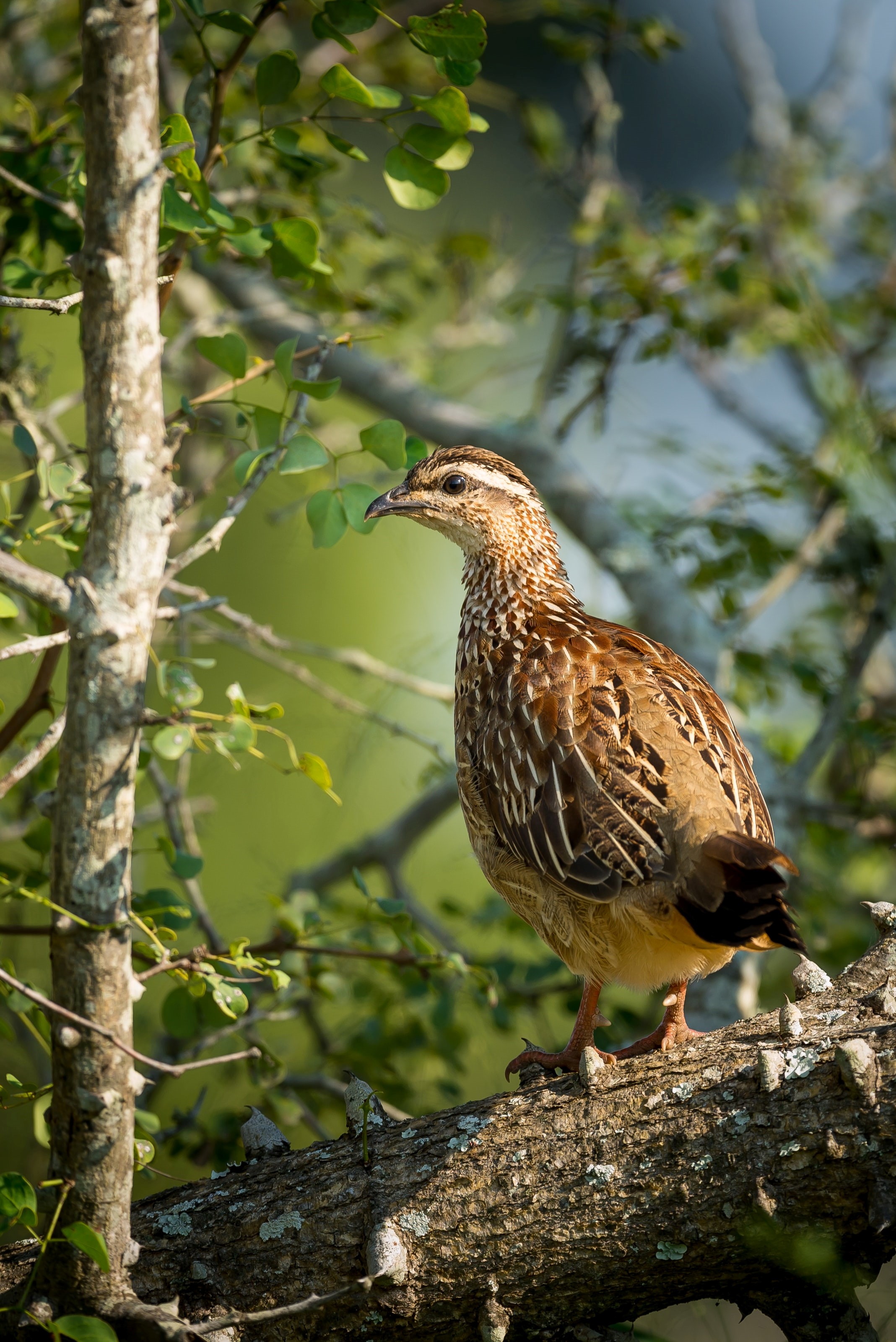
It is not quiet in the country. Oh no. The birdsong here is deafening, from the wood thrush to the pileated woodpecker soaring overhead with his eerie primeval cry. We’re close to the local airport, so there’s always a new whir circling overhead. A special thanks to Mom, who introduced us to the terrific flightradar24 app, so now we know that the Boeing overhead came from Atlanta and is on its way to Liege, Belgium! So much for being in the middle of nowhere. My pilot grandfather would definitely approve.
Meet Max, my new work-out routine!
Boredom remains the least of my worries. In fact, I was more bored in the city! We’ve had at least one fugitive in the woods, two rattlesnakes (this year alone), a stranded racoon, and just recently, a stray Siberian Husky pup came our way.
I don’t miss the malls at all, which is a good thing since the pandemic seriously altered the world of shopping. And nobody here cares about fashion anyway — it’s more about comfort! As for the fancy restaurants, I’d rather live three miles from from my beloved niece, who sends me a text such as “Hey, can I come over and make pumpkin cheesecake cookies with you?”
Cooking is just one of the things I’ve found to write about, and there’s been so many more, from sewing and building to gardening and butterflies. In fact, if there were any more going on around here, I wouldn’t have time to sleep!
For the next few months, I’ll be concentrating on my memoir, a project that I hope will blend together many of my experiences through the years. So for this reason, I hope it slows down here just a little bit.
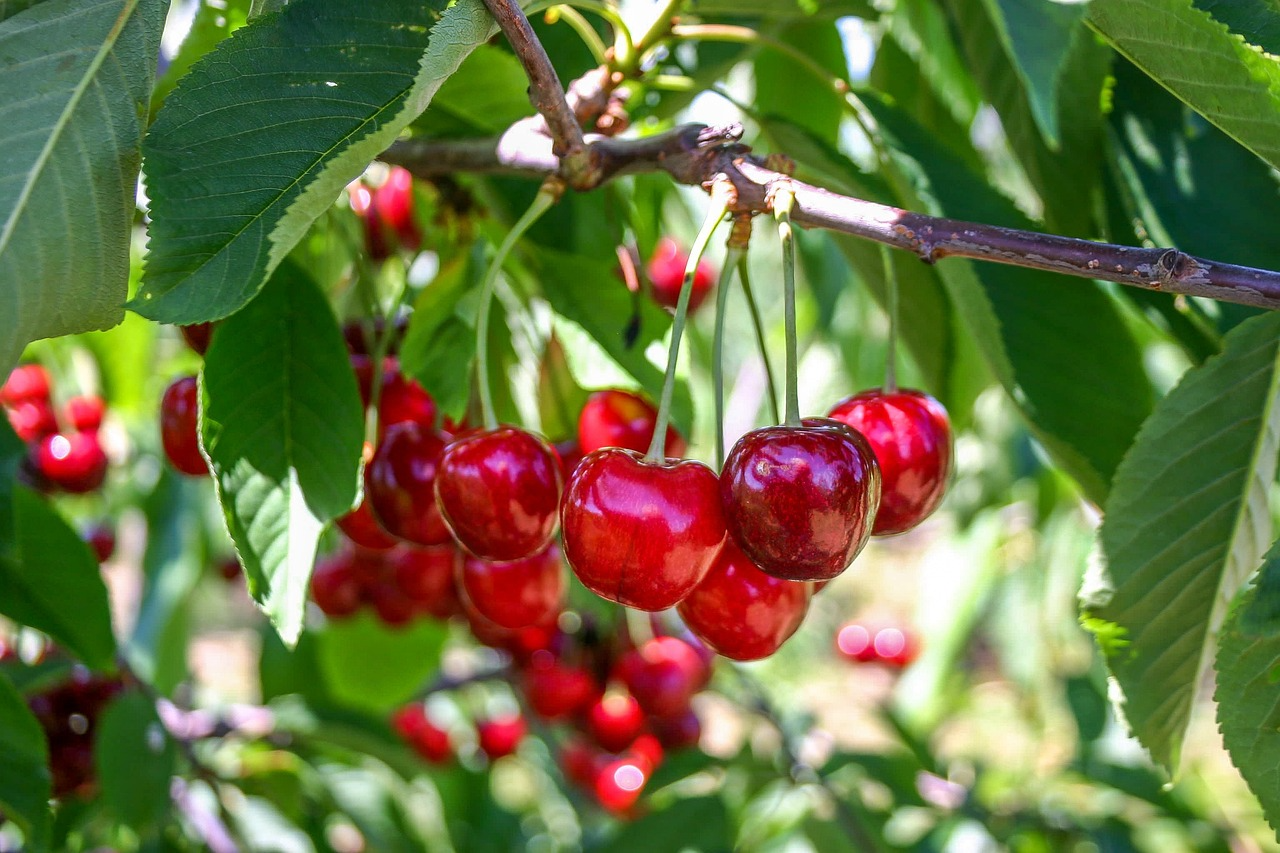
As a busy freelancer, wife, inveterate reader, dog owner, and caretaker of a cherry orchard, I’m frequently asked how I find time for personal writing. Well, I’m about to let you in on a little secret.
I don’t schedule it. That’s right. I used to make appointments with my muse, sit down at my desk, and just prayed she showed up. Sometimes she did, and trust me, I was duly grateful. But these planned events felt a little forced. The muse, after all, depended on me. And I had to be in the moment to make it work.
As a former manager, I built a career around appointed times, calendars, meetings. So scheduling time to write just made sense. But now, since leaving the traditional work place, I’ve taken the liberating step of letting my muse schedule herself.
WHAT?
I can hear the protests, the murmurings around the world. I can even feel the wobble of the Earth at these words. I’m sure you’re wondering how I can possibly make time to write without a formal reservation.
Here’s what I do. Now I’m driven solely by the creative instinct. I write only when I have something to say. And when I do have a new idea, sometimes, brace yourself, I actually refuse to let myself write.
WHAT, WHAT, WHAT?
I know it sounds nuts. Even perverse. But in the words of the great poet Ovid: “What is allowed has no charm; what is not allowed we burn to do.” (Amores, II, xix, 3). The act of abstaining from writing actually fans the flames and lets my idea stew inside my head. When I finally do sit down to write, the words stream onto the page with new vigor. I encourage you to try this approach yourself. Next time you feel as if you “should” be writing, do something else instead, such as pull weeds, walk the dog, or even do the dishes. You might be surprised at the results.
First Day: Alone in your cozy writing nook, a partridge in a pear tree, youlove every word of your new essay. It’s just perfect. Then you realize you’re 500 words over the limit for the contest you want to enter. Yikes!
Second Day: Like those two turtle doves, your initial love for your essay has migrated to sub-Saharan Africa for the winter, maybe forever. You hate your essay now. As you read over it, you realize it’s not very good at all. Is there anything worth keeping?
Third Day: Absolument!Your three French hens remind you of the virtues of faith, hope, and charity. Give yourself a break. Besides, there’s no time to start anything new.
Fourth Day: Or is there? The four “calling birds” in your backyard clamor for a new tune. Start over, the blackbirds sing. Start over! Start over! START OVER!
Fifth Day. You have no energy to begin something new. Your five golden rings may be just brass, but your essay is the best you’ve got, so you decide to polish it up the best you can.
Sixth Day. Okay, so youwon’t actually cut anything. You’ll just trim the hedge a teeny bit, taking care not to disturb the six Canada geese-a-laying. You gently prune a few words here and a few words there. But is it enough?
Seventh Day. It is not. However, you refuse to cut the most precious part of your essay. Even if they say that all writers eventually “murder their swans.” Well, that’s for other people to do. Their swans are not as precious as your swans.
Eighth Day. Your cereal milk has soured, and doubt sets in. Wallow in your pity for a while and then get back to the barn with the other maids. You’ve got serious work to do.
Ninth Day. Cutting is actually easier than you thought. The delete key clicks like Ginger Rogers’ heels, and your heart dances with delight. You don’t miss those swans at all.
Tenth Day. Your essay isn’t the same. Now you fear it’s terrible. Ten lords leap in and take it away. You’re happy to see it go.
Eleventh Day. The pipers bring your essay back, and they’re not playing a dirge. When you read your essay again with fresh eyes, you realize it may be better. Leaner, more concise, and more compelling. Hurray!
Twelfth Day. Take a deep breath and submit your revised essay. The world may not love it, but who cares? You do. In your mind, it’s just perfect. And in the end, that’s all that matters. After all, new ideas drum on and on…..
Wishing you the happiest of holidays and a very productive New Year of writing! As you look ahead to 2022, consider joining me on Tuesday, January 11 from 6 p.m. – 8 p.m. via Zoom for How to Move from the Slush Pile to the Rush Pile. In this special class hosted by Charlotte Lit, we’ll cover the art behind successful submissions and how to move from the “slush” pile to the pile editors rush to accept. We’ll discuss how to find the best fit for your writing, tips on putting your best foot forward, and a little secret to boost the number of marketable pieces in your portfolio. We’ll also talk about the nuts and bolts of submission: cover letters, biographies, tracking and more, such as how to stay motivated as you cast those precious pearls out into the world.
Today, as I observed the tender new shoots of grass emerging from red clay, I was reminded of the day I sowed the seed. Two weeks ago, I experienced one of the most productive days of my working life as a full-time writer. Not only did I rewrite the troublesome ending of a long-form essay, I drafted a completely new flash creative nonfiction piece, and I reviewed a short essay by a friend. Knowing the next day would bring rain, I also planted a patch of new grass and later, journeyed to the grocery store for a week’s worth of essentials.
How in the world did I manage to accomplish so much writing while doing so much else? I’ve devoted entire days to writing before and didn’t accomplish even half that much! What I remember most about that day was how I felt as I worked. Never have I felt such brio, such vigor and passion for my writing. It wasn’t until I started reading “Rest” by Alexander Soojung-Kim Pang that I understood why.
Here’s what was different about that day:
1) I got an early start. Rising early in the morning and getting to work first thing was a practice of the most accomplished writers, says Soojung-Kim Pang, from Anthony Trollope to Edna O’Brien.
2) I limited my writing time. I knew I needed to plant grass before the rain, so I had only two hours to write. Therefore, instead of scrolling through email and Twitter, I had to set to work immediately. As Soojung-Kim Pang says, this focused concentration is also something that distinguishes the masters, especially Olympic athletes.
3) I engaged in sustained physical activity. Planting grass and working in the yard for a few hours wasn’t heavy labor, but it gave my active mind a “rest” and let my subconscious mind noodle around the revision questions on my mind. The powerful connection between physical activity and mental exertions is long supported by scientific research, says Soojung-Kim Payne.
4) I returned to my writing later that afternoon excited and motivated. There was no drudgery this time, as my earlier sustained effort rewarded me with something worth coming back to. I accomplished all of the writing tasks on my list!
5) I slept soundly that night. Although this wasn’t one of my goals for the day itself, a side benefit was how I slept that night. Because of the combination of mental concentration AND physical exertions, I slept better than I had in a long time. This rest, in turn, helped me write better the next day.
In a nutshell, and this was before I read “Rest,” I had accidentally engaged in all of the activities recommended by the author. I “layered” periods of work and rest, detached myself from distractions and when I did work, whether it was sowing grass seed or writing, I immersed myself fully in my work. Now that I’ve discovered this wonderful book, I’m learning even more about how this “accidental discovery” can improve my writing as well as my life. For one thing, the grass is much greener over here!
“A life that focuses on what matters most,” concludes Soojung-Kim Payne, “makes time for rest, and declines distractions may look simple on the outside but from the inside it is rich and fulfilling….Deliberate rest helps you live a good life.”
Typos? No problem! Just keep writing…..(Pictured: A 1957 Smith-Corona Electric Portable typewriter)
How are you spending your time these days? If you’re like me, you’re alternating between enjoying brief moments in the sun and trying to write your way through this pandemic.
I’ve set a goal of writing two new poems each day on an old typewriter, and I have to say, it’s very refreshing to just clack away and not worry about typos or grammatical lapses. The kind of things best left to my inner critic, who takes an extended coffee break during these times.
In other news, I was recently honored to be asked to write a monthly marketing column for Women on Writing, my favorite writing community. This column is focused on writing inspiration and market listings for writers of all genres, from poetry to fiction to memoir. The newsletter is free, and if you’d like to start receiving it, you can easily subscribe by entering your email address into the box on the right at the top of the website.
Additionally, I’m taking a training course on the technicalities of teaching online classes, something I’d like to try in the future. As much as I adore leading in-person classes at Central Carolina Community College in Pittsboro, these times cry out for a new way for people to learn from the safety of their homes. And I’m all for that. It might be a stretch for me, but as I’ve learned by experimenting with my typewriters, it’s always good to branch out in some way.
Please stay safe (and sane), and of course, keep telling your story!
At Whale Tail, the dogwoods tremble with nascent blooms on the cusp of unfurling. For me, especially now, in the face of coronavirus news that has gone from sobering to frightening, these trees symbolize hope and faith. Even as the Black Plague devastated Europe in the 14th century, the “whipple-trees” (as dogwoods were known back then) continued to bloom, reminding us that there is a greater power at work in the world.
As we struggle to cope with what this pandemic means for our daily lives and future, it’s more important than ever that we writers dive deep into our souls and pull out insights that can help ourselves and others cope and heal.
1. Keep writing! We are so fortunate that the nature of our work – which requires its own form of self-isolation – means we can do it without worrying about making others sick. In fact, you could argue that it is nothing less than our job as writers to do our very best to lift each other up. And we don’t need computers. A pen and paper are just fine.
2. Send your words out into the world. There are so many ways to do this. There are countless markets advertised through the N.C. Writer’s Network, Submittable and Freedom with Writing (three of my favorite sources) seeking your work right now. And they need your words more than ever. Even if you don’t formally submit, you can still update your blog, text a poem, or mail a letter to a friend, just as I did today.
3. Read, read, read. I’m currently reading (and re-reading!) my favorite essays from America’s Best Essays series and online essays posted through Memoir Monday). I’m also savoring poetry – Jane Kenyon, Mary Oliver and the lighter work of Billy Collins are currently helping me cope. Reading is sustenance, every bit as powerful as food and water.
4. Stay connected with each other. Being solitary by nature, we writers naturally limit social events, but this crisis makes our few gatherings all the more precious. I have a number of traditional workshops listed on my Events page that are on hold right now, out of necessity. But this doesn’t mean we can’t convene through phone, postal mail, email and other online connections such as social media. By the way, I’m investigating the possibility of offering online classes in the future. As a student, I’m a big fan of these classes myself, so it makes sense to explore this option.
5. Try this writing prompt. Having trouble finding something to write about? Choose the smallest thing in your life that brings you joy right now. Is it the ladybug you saw this morning climbing up the deck chair? Is it last summer’s Gerbera daisies that somehow survived the winter and are now emerging from the pot? Maybe it’s the sight of your dog sunning himself on the porch…. in short, write about whatever it is that makes you happy right now! You might have more blessings than you know. 🙂