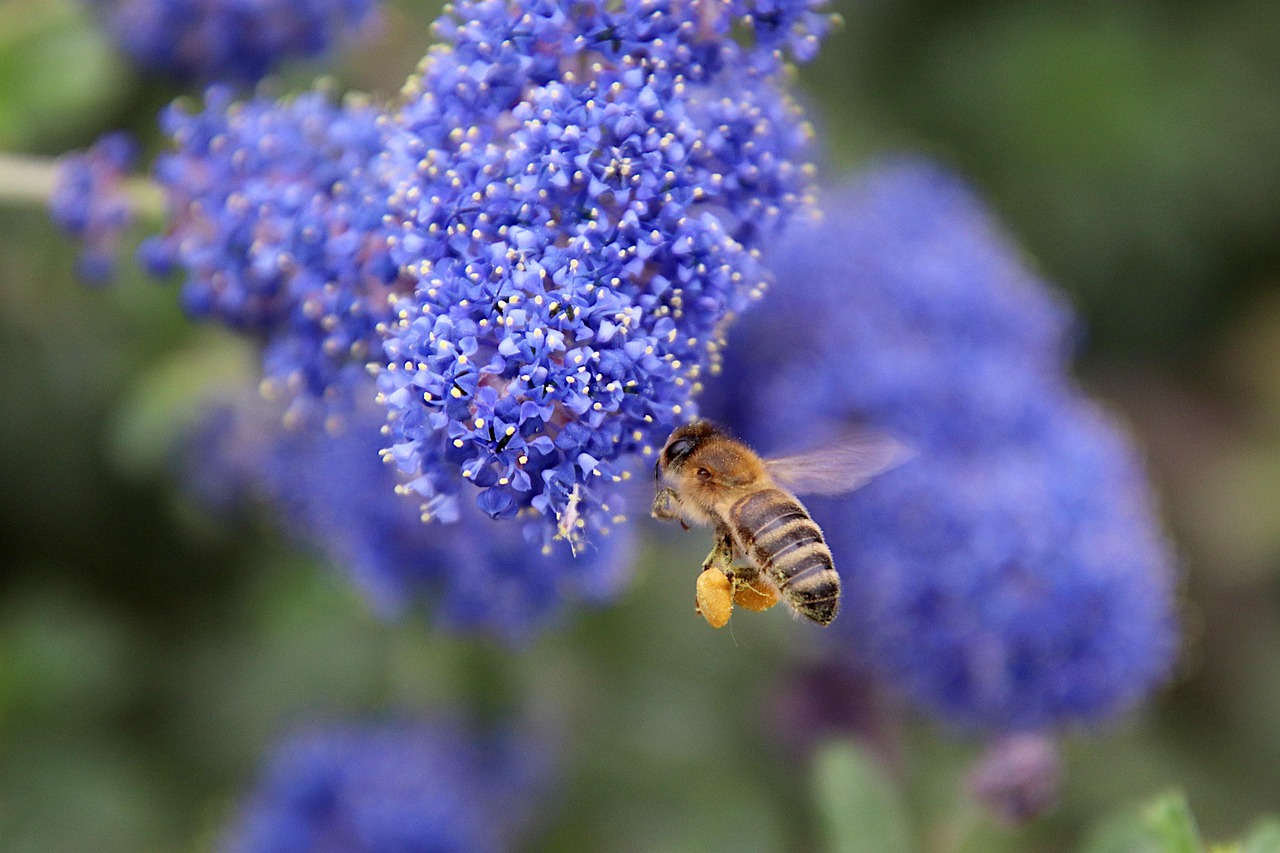
Happy Honeybee Day! Let’s Write about Nature!

Writers!

The third Saturday in August is designated as World Honeybee Day, which gives us the opportunity to recognize our favorite partners in gardening. Honeybees are critical to our ecosystem, and for gardeners, they help us by not only pollinating our favorite flowers, they also pollinate one-third of the world’s food supply, such as apples, blueberries, and almonds, to name just a few. And sweetest of all, they give us honey!

If you’d like to explore ways to write about our tiny winged partners and nature in general, you might be interested in joining us at Women on Writing for Let’s Get Dirty! Writing From the Garden – Live Zoom Class with Ashley Harris on Friday, August 21, from 2 – 4 p.m.

WEBINAR DATE: Friday, August 21, 2026

WEBINAR TIME: 2pm – 4pm ET

DURATION: 2 Hours

LOCATION: Live webinar via Zoom

FEEDBACK: The last 15 minutes of the lecture will be open to Q&A. Students can also send questions ahead of time, to be addressed during the lecture.

SPECIAL OPTION: Receive a personal critique from me of 3 double-spaced pages of your work within two weeks of the class for an extra fee. This includes at least one submission recommendation.

COURSE DESCRIPTION: Merriam Webster defines the word “garden” as simply “a plot of ground used to grow vegetables, fruits, herbs, or flowers.” But to writers such as Emily Dickinson, William Wordsworth, Mary Oliver, and Jane Kenyon, just to name a few, gardens offered so much more—inspiration, reflection, and serenity. Whether you’re someone who enjoys just visiting gardens or you’re someone who insists on plunging your own fingers into the dirt, this workshop is for you. In our time together, we’ll “dig” into the many ways that gardens and nature can elevate both poetry and prose through the senses and special themes.

This live Zoom webinar starts and ends on Friday, August 21, 2026.

Time: 11 AM – 1 PM PT | 12-2 PM MT | 1-3 PM CT | 2-4 PM ET

The webinar can be viewed on a tablet, phone, or computer (both Mac and PC).

As always, I’ll record the class and have it available for anyone who would prefer to view the class at a on their own schedule.

CLASS AT A GLANCE:

Live Webinar: Let’s Get Dirty! Writing from the Garden

Duration: 120 minutes

For two hours, I’m taking my gloves off! I’ll share excerpts from work featuring gardens that will inspire you immediately. I’ll cover the many ways that gardens can elevate our writing, from senses to symbolism, along with writing prompts to generate your own pieces, and I’ll also offer tips on how to incorporate your gardening experiences, whether they’re magical (like those volunteer cherry tomatoes) or miserable (try growing lilacs in the humid south!) into poetry and prose. For an extra fee, I’ll critique your work and you’ll receive a targeted submission recommendation within two weeks of the class.

Topics include:

  • Excerpts from published garden pieces through the ages to inspire you
  • Discussion of themes drawn from gardens in history and folklore
  • How visiting or working in gardens can inspire a theme for all types of writing
  • Three prompts to generate poetry and prose on your own
  • A discussion of ways to let nature help conclude your work
  • Overview of outlets to publish your work
  • Recommended books featuring garden writing to continue to inspire you
  • Q & A

Materials Needed: A pen or pencil, a writing pad, and your imagination

Read what some of my students have said about recent workshops:

Thank you for the wonderful workshop (Writing is for the Birds). I am still on Cloud 9. You are the best teacher, best poet, best role model I know. I am eternally grateful for you and all that you do. Thank you for your teachings, your feedback and suggestions, your giving soul. You give me confidence in my voice. Thank you. – Mary Alice Dixon, author of Snakeberry Mamas: Words from the Wild (Writing is for the Birds)

Writing is for the Birds was fabulous! I loved hearing everyone’s work. So inspiring! I am also interested in any future classes – Lisa Sukenic

Ashley, you and all the attendees are inspiring. Your class (Writing is for the Birds) yesterday was such a pleasure! I was very impressed with your approach to commenting on the work attendees shared. You not only encouraged them but also highlighted specific details of what they did well. Thank you! I love your idea of letting birds help set a scene in place, time, season, and mood. And I’m hoping to add more birds to present and future writing projects. I’m also looking forward to your class on writing about fur-babies! With much appreciation, Rosemary Poole-Carter

I really enjoyed the presentation (Writing is for the Birds)! Your enthusiasm for birds is contagious and makes me want to try my hand at including birds in my own writing. Also loved the idea of your Pet Project course coming up and will keep an eye out for that. Thanks again and best wishes to you! –Julie Flanders

Great presentation! Lots of food for thought and future writing. Writing is for the Birds was just the right amount of each element…the examples, the writing to prompts, the resources, etc. Thank you for doing this! – Betty McCreary

Ashley, Writing is for the Birds was an absolute JOY AND DELIGHT! The presentation, the participants, the prompts, the poems, the pacing…I loved every minute! – Michelle Seitzer 

TO REGISTER:

I hope you’ll join us on Friday! To register, go to Let’s Get Dirty! Writing From the Garden – Live Zoom Class with Ashley Harris and scroll down to the end of the page.

Until then, I hope you’re enjoying the summer and all the gifts this season has to offer, especially our dear honeybees! They’re a great source of inspiration for any writer. In the words of zoologist Karl Von Frisch: “The bee’s life is like a magic well: the more you draw from it, the more it fills with water.” 

Ashley

Enjoy Your Spring Writing “To-Do” List!

Writers, I hope that you’re as inspired by spring as I am! For April, I was honored to write the newsletter introduction for the acclaimed Women on Writing community. I’m reprinting it here below with a link to the complete edition at the end.

While we never had more than snow flurries where I live, it’s been a long winter—wet, gray, and cold. So last week when I brushed away the dead leaves from my hydrangeas, I was thrilled to see new shoots emerging from the roots.

And since we’ve had a warm spring so far, my strawberry plants and roses have also sprouted new leaves. Hallelujah! It made me wonder—what writing inspiration longs to spring up from my dormant imagination?

With my knees in the dirt, prepping flower, berry, and vegetable beds for another busy year of gardening, I couldn’t help observing even more parallels to writing. Just for you, I’ve compiled a special list of chores to stimulate your own writing “buds” for a productive literary “spring” of your own. But no worries, very little physical labor is required. These are fun chores.

Rake. Clear away the winter detritus and make way for sunshine! If your desk is covered by a blanket of odds and ends—old sticky notes, tattered magazine clippings and unopened junk mail—it’s time to rake them to the recycle bin. Or maybe the files on your laptop need a little organization—consolidation, deletion, or migration to a thumb drive. Whether it’s your physical or virtual space, leave plenty of room for fresh new files to sprout and grow.

Sow. Now the real fun begins! You’ve cleaned your literary “garden” and you’re ready to “sow” your own seeds of inspiration. Look out the window and observe the natural world. Or better yet, stroll outside. Take a few moments to describe the swelling leaf buds of the trees. Sniff the nascent flowers of fruit blossoms such as peach or plum. Observe the acrobatic feats of the squirrels. Record these impressions as you make them and be sure to note any themes that come to mind—such as rebirth, recovery, new beginnings. Ask yourself how these ideas might influence your own writing—the motivations of yourself (nonfiction) or your characters (fiction).

Fertilize. I look forward to many new blooms this year from my favorite roses, both old and new, such as “Summer Romance,’ “Scepter’d Isle,” and “The Poet’s Wife.” But unless I deliver a healthy dose of food, such as aged cow manure and alfalfa, they’ll be late to flower and they may never truly flourish. The same goes for writers. Are you as healthy as you can be? I’ll admit to indulging in some major comfort food during the winter doldrums, but now it’s time to fortify myself with healthier fare. More greens, less sugar, and more fiber. And in order to energize myself for writing, I need to get more rest. Take some time to set (or recommit to) habits that strengthen your mind and body.

Water. For the first time, I’m planting perennials such as chives, verbena, and armeria. These tender plants will require regular watering to establish firm roots and truly thrive. Humans, like plants, require the most basic element of all to exist—good ole H20. Are you properly hydrated? Last year, I didn’t drink enough water and the brisk winds and sun exposure dehydrated me, leading to a nasty eye infection and the inability to write for two weeks. I’m not letting that happen again! It should go without saying, but since I’m the worst offender, I’ll say it again. While writing, whether you’re thirsty or not, do yourself a favor and keep a tumbler of water nearby and sip frequently.

Nurture. This year I’ve planted more roses than I should, but as you can probably tell, I’m more than a little obsessed with them. Tending these notoriously difficult bushes, which are subject to a host of diseases in the South, will be challenging, but I remind myself that nothing of value comes easy. In terms of writing, I must keep the commitments I make to myself, whether it’s to finish that poem, start that essay, or meet the deadline to write that blog entry! In other words, keep the faith. Believe in yourself. Don’t let the demands of the external world interfere with your writing.

Share. Last year, I was blessed with so many strawberries that I frequently invited my friends over to pick all the fruit they wanted. Later, I divided the plants, potted them, and shared them with my fellow gardeners. Giving away the bounty of nature made me so happy. This act reminds me of the importance of submission. Nurture the world with your writing and send it out for others to savor. In a similar spirit, comment on the writing of others and encourage them in their work. Just like my strawberries, I promise that the rewards will only continue to multiply!

Repeat. Now that you’ve raked, sowed, fertilized, watered, nurtured and shared, it’s time to repeat all of the above! The first frost is months away, so make the most of the spring (and summer) to cultivate your own “literary” garden. I predict that you’ll enjoy “blooms” for not just months, but for many years to come.

For more writing advice, along with a “wheelbarrow” full of submission markets, check out the complete April 2024 WOW newsletter.

Writing the Nature Essay

This morning, after I learned that we probably wouldn’t get rain until later in the week, I decided I better water the plants on my deck. In doing so, I found my mind wandering as wildly as the spindly stems of a petunia someone gave me. I thought about all the plants I care for — many of which are gifts and not chosen by me — and my growing sense of responsibility for all living things.

Then Finn dashed into the woods after a squirrel and of course, my mind bent in another direction. While I appreciate the presence of these furry creatures, because any form of life is precious, I am grateful that at least right now these “tomatotarians” are thwarted from our garden.

I say all this to say that when we writers find ourselves in a rut, we do our mind and our body good by writing about nature. Just the simple act of observing a soon-to-unfold trumpet flower is a reward unto itself. And watching those long chive stems drift toward another pot to drop their seeds makes me chuckle. As does hearing the “cheerful, cheerful charmer” of our bluebirds. Starting by just observing what we see in our own little worlds can lead to more universal insights that help our jottings bloom into a true essay.

Mary Oliver’s essay titled “Owls” (from her book Owls and Other Fantasies) is a great example of a short essay that threads the poet’s observations on owls (and other elements of nature) with her own interiority. At the same time, she touches on universal themes when she says: “There is only one world.” And as “excessive” as the roses in the dunes may be, at the sight of them “might we all be struck to the heart and saturated with a simple joy.” Statements such as these speak directly to the reader and connect us with Oliver. Her piece is also noteworthy for her brevity, which is a great lesson for us all.

Enjoy your day, and I hope rain comes your way soon!