 It’s June 29, and the National Day Calendar tells me it’s National Camera Day, National Almond Buttercrunch Day, and National Waffle Iron Day!
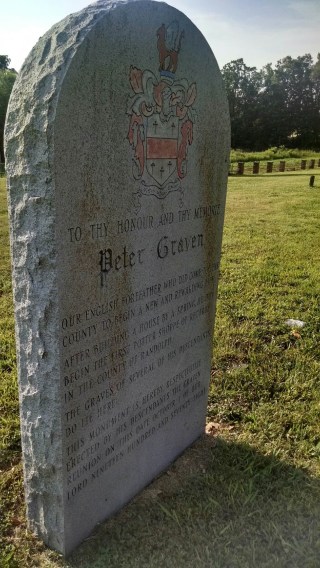
So how did we celebrate such momentous occasions? First, we took a little field trip to scenic Concord Cemetery in Coleridge, N.C. This site has been on my history bucket list for some time, as I’m a descendant (through my mother, Margaret Jane Craven) of Peter Craven, one of the early settlers of Randolph County. He settled here in 1750, back when our county was still part of Orange County, and well before our nation’s independence.
Peter had six sons and his descendants are now scattered across the U.S., but many of the original family members, including my great-great-great-great-great grandfather Thomas Craven, Esquire, Peter Craven’s eldest son, are buried here. Both Peter and Thomas served in the Revolutionary War and became renowned for their pottery. The bright sunshine, verdant hills, and blue sky made today a perfect day for snapping pictures, such as the one above memorializing our patriarch.
Later, at home, I remembered that it was also Almond Buttercrunch Day. Luckily, I happened to some chocolate-covered toffee cookies stowed away in the freezer.

Okay, the flavor wasn’t quite almond buttercrunch, but I figured it was close enough, right?
The only thing left to commemorate is National Waffle Iron Day, but I have to tell you that after just two cookies, I’m already full. I love waffles, so maybe I’ll get out the waffle iron later. These long summer days make anything possible.
By the way, the National Day Calendar is a terrific resource for writers (and anybody else who just wants another reason to be happy!).
So have a little fun, and I hope you celebrate your favorite special day with style…..
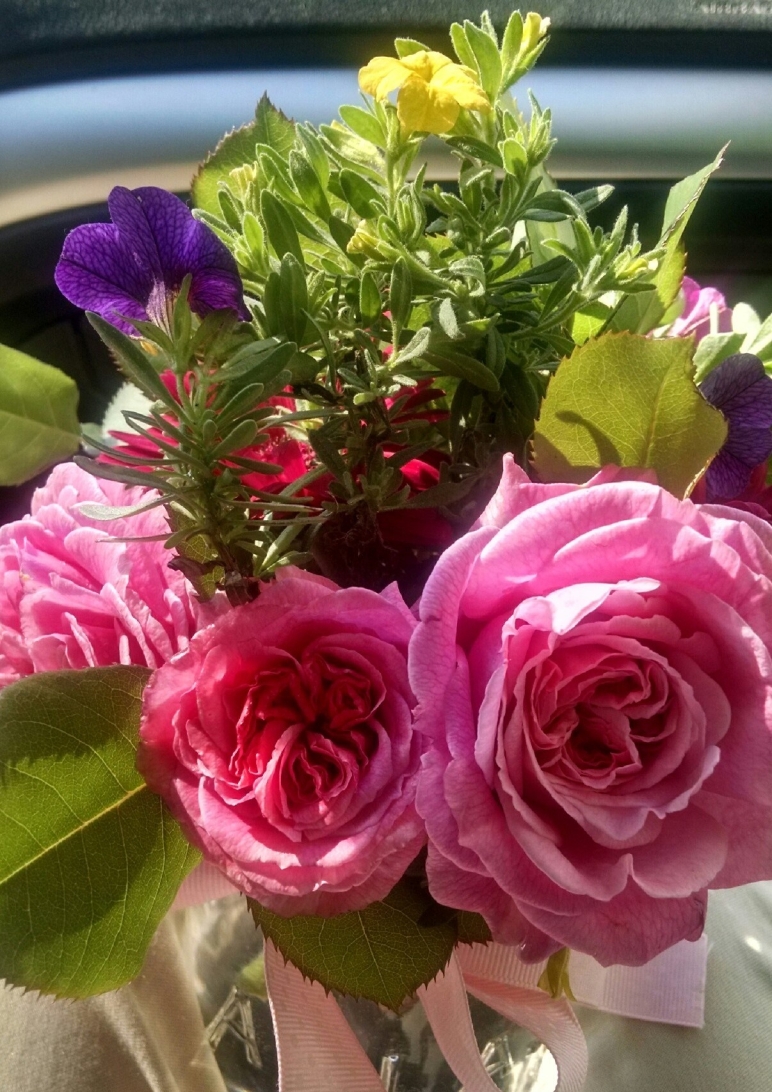 In this particular order….
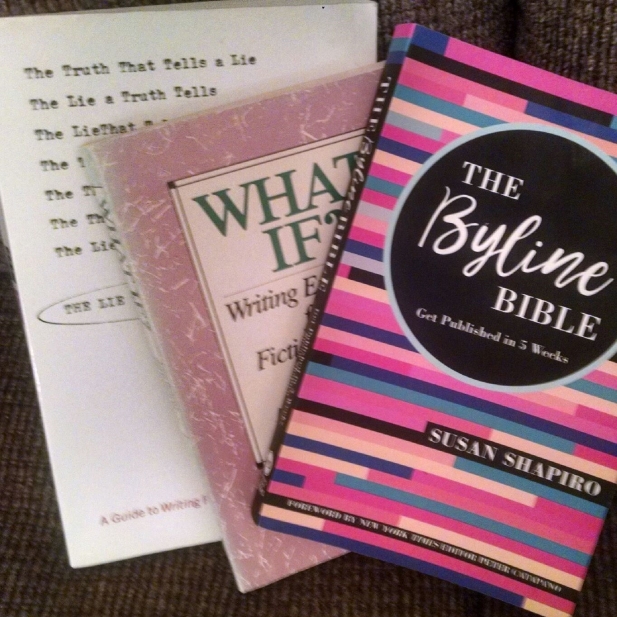 me up recently because my friend and fellow writer Joy Wright asked me to share a few favorites and I thought it’d be fun to post my list here.
 rty and feel like you don’t quite belong? Not sure about where to sit? Is that a cheese ball or a centerpiece? Is it edible? And what do you talk about when you find yourself balancing a glass of punch with strangers?
 If you’ve ever skimmed through Living Social and chuckled at the ways people spend money online–such as flea control–you might like my new parody:
 “You make a living by what you get. You make a life by giving…” On this #Giving Tuesday, why not follow the timeless wisdom of this legendary statesman and make a life by giving to the causes that matter to you?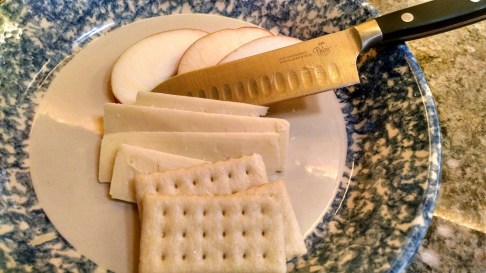
 Many thanks to the guest judges of
 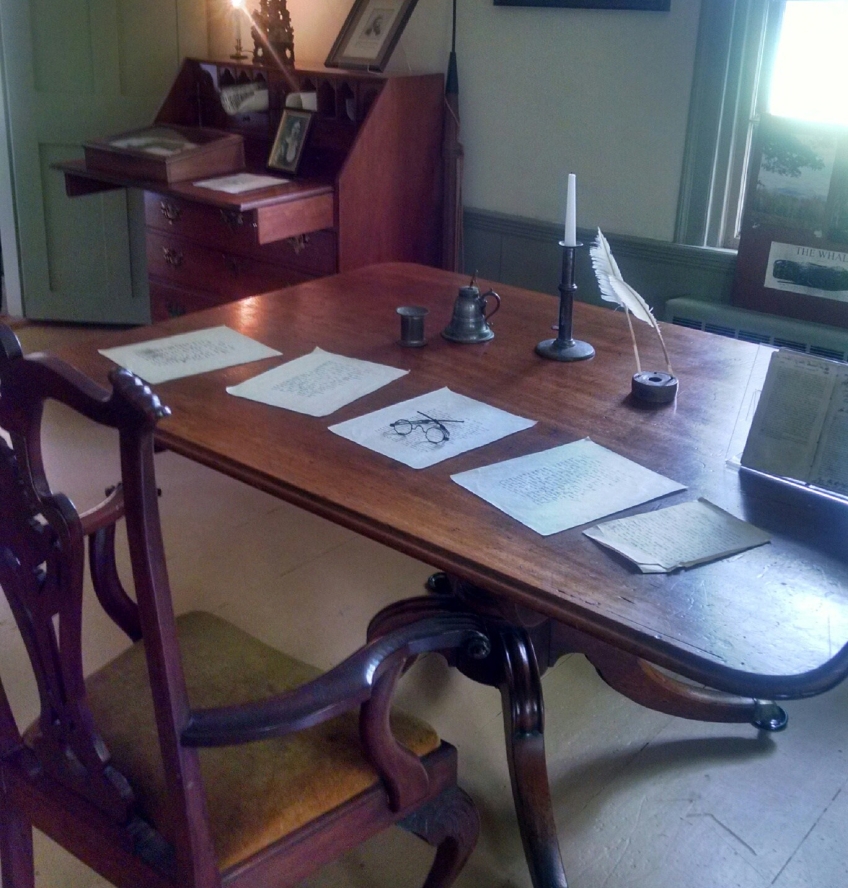 Flash fiction is an exciting field, and for writers, there’s always something new to discover and learn. Fresh from a wonderful journey through the literary heart of our nation — the haunt of Melville and Twain, to name a couple of famous authors — I’m bursting with inspiration and ready to share.
 Ashley Harris