Let’s Start a Nano-Palooza!

This month I was honored to pen the introduction to the November newsletter for Women on Writing, the prestigious and inspirational writing community. I’m reprinting it here, in the hopes that my fellow writing friends will take advantage of National Novel Writing Month (or NaNoWriMo).

I was a skeptic. To put it mildly. In other words, I was the ultimate NaNoNayer (NaNo-Naysayer ☹). The idea had always seemed a little silly to me. Why write my heart out in November when technically I could do that all year long? And what’s with all the badges, tools, and community building? As an adult, I should be able to manage myself without all the hoopla, right? Besides, I wasn’t working on a novel anyway.

The truth is that I didn’t write my heart out all year long. And I couldn’t manage myself. In fact, among freelancing, taking care of three dogs, tending a garden, volunteering at church, and the normal kerfuffle of life, it was all I could do to set aside a few hours a week to finish a single essay. I needed a little push. In fact, I had been talking so long about finishing my memoir that the eyes of my writer friends glazed over every time I brought it up. So, when I found out that NaNoWriMo isn’t just for novelists, I decided to give it a try.

All writers, whether novelists, poets, playwrights, screenwriters, essayists and memoirists, are welcome at NaNoWriMo. In fact, anyone aiming to write 50,000 words toward any project will find something of value at NaNoWriMo, from motivation and accountability to making new friends and gaining new skills.

Last November, I cleared my calendar and finally started pulling together the pieces I planned for my book, which would be a memoir in essays exploring love, faith, and healing. Although I’d already written many of the pieces, I had never seen them all together in the same file. Doing so gave me the opportunity to look at them as a unit, edit and tighten, as well as plan new bridge essays to cover any holes. I also created a framework that tied together the chronological arc of the narrative—my seven years of growing cherries. Before November ended, I even had time to begin drafting a few of the new pieces. Along the way I logged onto NaNoWriMo regularly, joined a regional group, and began checking in, and lo and behold, the word count on my dashboard started to tick up and up and up! It was a true NaNo-palooza!

At the end of the month, the momentum continued. Over the next year, I concentrated on finalizing my new essays and wrote even more, ending up with a total of 22. Later, I turned back to my behemoth of a manuscript, and that’s when I re-discovered my draft framing document. This turned into the four thematic sections of “Plant,” “Believe,” “Pollinate,” and “Love,” and presto, I suddenly had a table of contents and my essays became actual chapters. Thanks to NaNoWriMo, I now have a 200-page manuscript that I’m currently circulating among my writing partners and will be submitting for publication.

Are you a diehard NaNoficionado? Or like me, are you on the fence? Either way, the tips in this column are meant to help you take advantage of NaNoWriMo and meet your own writing goals.

Think big. As mentioned before, you don’t have to use this time to write a novel, but you sure can. This is perfect for writers like me who have a short story that yearns to be a novella or longer. Maybe you have a juicy flash fiction that’s just itching to be part of a collection. Or a poetry chapbook. Perhaps you have an essay collection, or a memoir, or like me, maybe both. Whatever you’re working on, take it to the limit, and imagine what you might do with 50K words. As for me, it wasn’t the writing itself that intimidated me. I suffered from the age-old commitment phobia. But once I gave myself permission to think BIG and actually envision my work as a book, the writing itself was easy.

Go a little wild. Consider your NaNoWriMo experience as your personal sandbox. This is your chance to break personal boundaries and do something new. For example, you could try writing in second person or maybe in present tense. Or perhaps you could branch out and turn a nonfiction article into the background for a novel or short story. Or shift a poem into an essay, one of my favorite “makeovers.” In my case, I literally went a little wild. With the title, that is. Calling my book “Cherry Wild, a Memoir in Essays” sets the tone from the beginning, reinforcing the theme of my reconnection with nature.

Quash the critic. The critic inside my head was NOT invited to my NaNoWriMo. While she will come in handy as I finetune my synopsis and coalesce all the feedback, I promptly kicked her out the door during my brainstorming and writing sessions. During the month of November, make sure that your creative and imaginative writer self is firmly in charge, NOT the critical editor. Send her on a month-long cruise! See ya later, you naughty infiltrator!

Meet a new writer. While you can easily connect with friends who are also part of NaNoWriMo by sharing your usernames, you can also meet new writers. In the “My Community” tab, you will find both discussion forums and regional groups to join. NaNoWriMo also sponsors specialized virtual meet-ups for writers of similar backgrounds or interests. 

Check in. Not only did I enjoy entering my word count into my dashboard and watching it rise, I loved keeping tabs on the progress of my writer friends. Witnessing their successes inspired me to work that much harder, and vice versa. Under the “My NaNoWriMo” tab you’ll see links to “My Buddies.” Here is where you can easily see the word counts of your friends and compare theirs to your own.

Get support. This year NaNoWriMo offers more support than ever before, from yoga for writers to guidance on all genres, from fiction to memoir. The “Resource Hub” (under the “Writer’s Resources” tab) is your headquarters for support, including pep talks from celebrated writers and links to writing tips and exercises to keep your creative juices flowing. 

Celebrate! Once you begin reaching your writing goals, you’ll automatically rack up badges for important milestones, such as the 5K and 40K word marks. You can also award yourself a bevy of personal achievement badges for efforts such as planning, “pantsing,” and eureka moments. In addition, you may expect frequent kudos from your writing buddies, which will also keep you motivated every step of the way.

Ready to dive in? I hope so! My NaNo handle is “memwarrior” and I’d be honored to be your writing buddy. I hope to get some traction on a couple of new projects, including a creepy seaside novella. But if you’re still not sure, check out NaNo Prep, which offers a crash course in essential elements such as story development and time management.

For more inspiration, including craft articles, interviews and markets for submission, check out the complete WOW newsletter.

No matter where you are in your writing journey, I wish you all the best, and I hope you write your heart out this November. 

Learn How to Move from the “Slush” Pile to the “Rush” Pile on February 23!

Technology makes submitting for publication easier than ever. At the same time, as more and more writers offer their work, competition for space has never been fiercer. But take heart. In this class, we’ll cover the art behind successful submissions and how to move from the “slush” pile to the pile editors rush to accept. We’ll discuss how to find the best fit for your writing, tips on putting your best foot forward, and a little secret to boost the number of marketable pieces in your portfolio. We’ll also discuss the nuts and bolts of submission: cover letters, biographies, tracking and more, such as how to stay motivated as you cast those precious pearls out into the world.

Interested? Join me on Tuesday, February 23 from 6:00 – 7:30 p.m. for a special online 90-minute Zoom workshop hosted by our friends at Charlotte Lit.

Cost: $30 members ($25 early bird rate); $35 non-members

For more and to register, click here.

Bring on the Drama, Mama!

I don’t keep up with the news as much as I should but occasionally a little sound bite from the living room, where my husband watches TV, invades my study. The snippet “Less Drama, More Mama” recently made its way into my head, and as rhymes do, it lodged there.

Giving up the “drama” of politics makes sense for Kellyanne Conway, a mother of four, but the opposite is true for fiction writers. Our mantra should be “Bring on the Drama, Mama!”

When we pen short stories, drama is absolutely essential. It raises the stakes for our characters and magically captivates our readers. For example, if we’re writing a story about a young mother coping with a painful separation, we can’t make her circumstances too easy. Suppose she holds out hope that her husband will come back. The worst thing in the world would be for Sam to just walk back into the house with his suitcase and say: “Mary, I’m home!”

It’s not that we’re being cruel. It’s not that we want to watch Mary suffer. But we have to be realistic and understand that in real life these things don’t work out so perfectly. We want our reader to care about Mary and root for her. The best thing we can do for Mary is to increase the drama even more. We should have her discover that Sam has not only been cheating on her with his secretary, they’re now living together. And although Mary dreams of helping support her two kids by opening a bakery, her loan application gets turned down. To make matters worse, the bank repossesses her car! Poor Mary.

Not so fast. Because we’ve seen glimpses of Mary’s extraordinary baking talent and her compassion for making muffins for an elderly woman in the neighborhood, we don’t feel sorry for her. In fact, the reader has every reason to believe that Mary has it in her to survive these events. We like Mary and because Sam is a selfish lout, we believe she deserves a good life without him.

The fiction writer increases admiration for Mary by watching her react to events that might crush the average person. For example, when Sam refuses to co-sign a new loan, we show her react by baking more muffins. That’s when it dawns on Mary that due to the pandemic, a business in a public building would be a very bad idea right now. So she decides to start her bakery at home, and not only does she make enough money in one weekend to get back her car, she’s far too busy to miss Sam anymore.

For the writer, the act of adding more tension to our story makes it fun to write. We don’t have to worry about “blank-page-itis” anymore because we’re suddenly enthralled with helping Mary develop the qualities she needs to thrive. The reader gets to see a little of herself in Mary, and grow along with her. The world is suddenly a better place. So bring on the drama, Mama!

Drama is just one of the topics that we’ll cover in my upcoming Charlotte Lit online workshop: Let’s Write a Short Story: Studio. What makes this course different is that every student gets a special “Story Worksheet” created by me just for this course. As we go along, I’ll be helping students fill out the worksheet step-by-step. This will enable students to thoughtfully construct each of the five essential elements of the short story before writing it. That way, when students start writing, which is the next step, they’ll have all the elements in place to captivate their readers, page by page. And they’ll receive help from me every step of the way. These lessons will help students generate even more stories well beyond this course.

“Let’s Write a Short Story” Studio starts on Sunday, September 13 and runs through Saturday, October 10. Enrollment is limited to just twelve students, so sign up soon to reserve your spot. What are you doing this fall? Raking leaves or fretting about COVID? I hope you’ll be writing along with me.

Learn more and sign up here.

New Online Class on the Short Story Starting September 13!

Great news! For several weeks this summer, I’ve been at work with my friends at Charlotte Lit designing an exciting new online class–my first ever. This class is what we call a “Studio,” which means that it offers deeply engaging, content-rich online modules and a combination of pre-recorded and Zoom live course instruction through a really cool platform called Wet Ink. The course runs from Sept. 13 – October 10, which will give students the rare opportunity to draft a full-length short story AND receive detailed feedback from me. It’s unlike any course I have ever taught, so I am really excited!

Most short story workshops throw students into the open sea without a life ring. What makes this course different is that students have the benefit of using a “Story Worksheet” created by me just for this course. As we go along, I’ll be helping students fill out the worksheet step-by-step. This will enable students to thoughtfully construct each of the five essential elements of the short story before writing it. That way, when students actually start writing, which is the next step, they’ll have all the elements in place to captivate their readers, page by page. And they’ll receive help from me every step of the way. These lessons will help students generate even more stories well beyond this course.

During our time together, we’ll also study model stories by masters such as John Cheever, Shirley Jackson, and Alice Walker, but we’ll also cover excerpts by contemporary authors such as Tessa Hadley and Ralph Hart. I’ll also share how this same technique helped me write “Golden Delicious,” a short story which earned first prize last year in the Starving Writers Competition sponsored by the Franklin County Arts Council. Studying the work of other writers will give students the opportunity to learn how to read a short story like a writer, another exercise that will deliver practical dividends throughout their lives. Even better, the principles we learn can easily be applied to the novel as well!

“Let’s Write a Short Story” Studio starts on Sunday, September 13 and runs through Saturday, October 10. Enrollment is limited to just twelve students, so sign up soon to reserve your spot. What are you doing this fall? Raking leaves or fretting about COVID? I hope you’ll be writing along with me.

Learn more and sign up here.

Biscuits Help Each Other Rise!

biscuit1On Saturday, I had the pleasure of spending my morning with an enthusiastic and especially curious group of women writers at Charlotte Lit. What a vibrant organization! I can’t say enough about the leadership and students at Charlotte Lit. They have built an enviable powerhouse of writing, and are truly dedicated to helping each other succeed.
The topic of our discussion was how to share your writing with the world. While self-publishing continues to be a vital force in the writing world, no question, I believe it’s still worthwhile to submit your writing for publication by others–whether to contests, commercial or literary magazines.

Why? First, you’ll get to know so many other wonderful people, whether at public readings or just by getting to know them by reading their work. You’ll also meet talented editors, who will happily help your shape your work and promote your writing. And among all your new writing friends (at Charlotte Lit and beyond), you can help each other. As Martha Stewart once said, quoting another baker whose name escapes me, the reason we put biscuits together in a pan is because they help each other rise.

Second, and equally important, is that when you write for publications and contests, you also grow as a writer. Yes, you have to be brave enough to stand the occasional rejection, but you can learn so much about yourself and the wider world of writing, that it’s well worth it. The motivation to improve will invariably result in acceptances, I promise, and by sharing your words and experiences with the world, you’ll expand your community that much more. And, ahem, at the risk of repeating myself too much, we know that biscuits help each other rise, right? 🙂

Have you submitted yet? If you haven’t, give yourself a New Year’s goal of submitting one piece of writing at least once every month in 2020. And remember, in the words of Harriet Beecher Stowe: “Never give up. Because that is just the place and time where the tide will turn.”

In the meantime, I encourage you to lean on each other for help and accountability. Choose a “submission buddy” and check in with that person regularly just to make sure you’re meeting your goals, if nothing else. Share your writing with each other and ask for suggestions on where you might submit your work. Most importantly, celebrate each other’s successes.

And if you missed Saturday’s workshop, no fear, I’ll be offering an extended version of the same one (with even more writing time and new markets for publications!) at Central Carolina Community College in Pittsboro on April 25.

Remember, I am rooting for you. Because, okay, last time, I promise. Biscuits help each other rise. 😊


Get Ready for the Creative Writing Expo!

cccc1Are you as excited as we are? I hope so! The First-Ever Creative Writing Expo sponsored by the Central Carolina Community College Creative Writing Program is just three days away!
WHEN: Thursday, November 14 from 6:30 – 8:30 p.m.

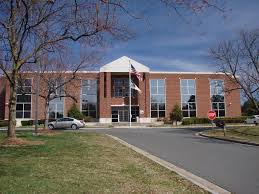
WHERE: Central Carolina Community College, Pittsboro campus, Building 42, Multipurpose Room, First Floor.

RSVP: Pre-registration is not required, but we encourage you to RSVP by calling the Continuing Education Office at 919-545-8044 during business hours.

WHAT: As part of this FREE special event, you’ll get to experience first hand an abbreviated workshop on the flash essay. We’ll review a few of the best essays being published today, and I’ll give away a secret that every aspiring essayist must know!

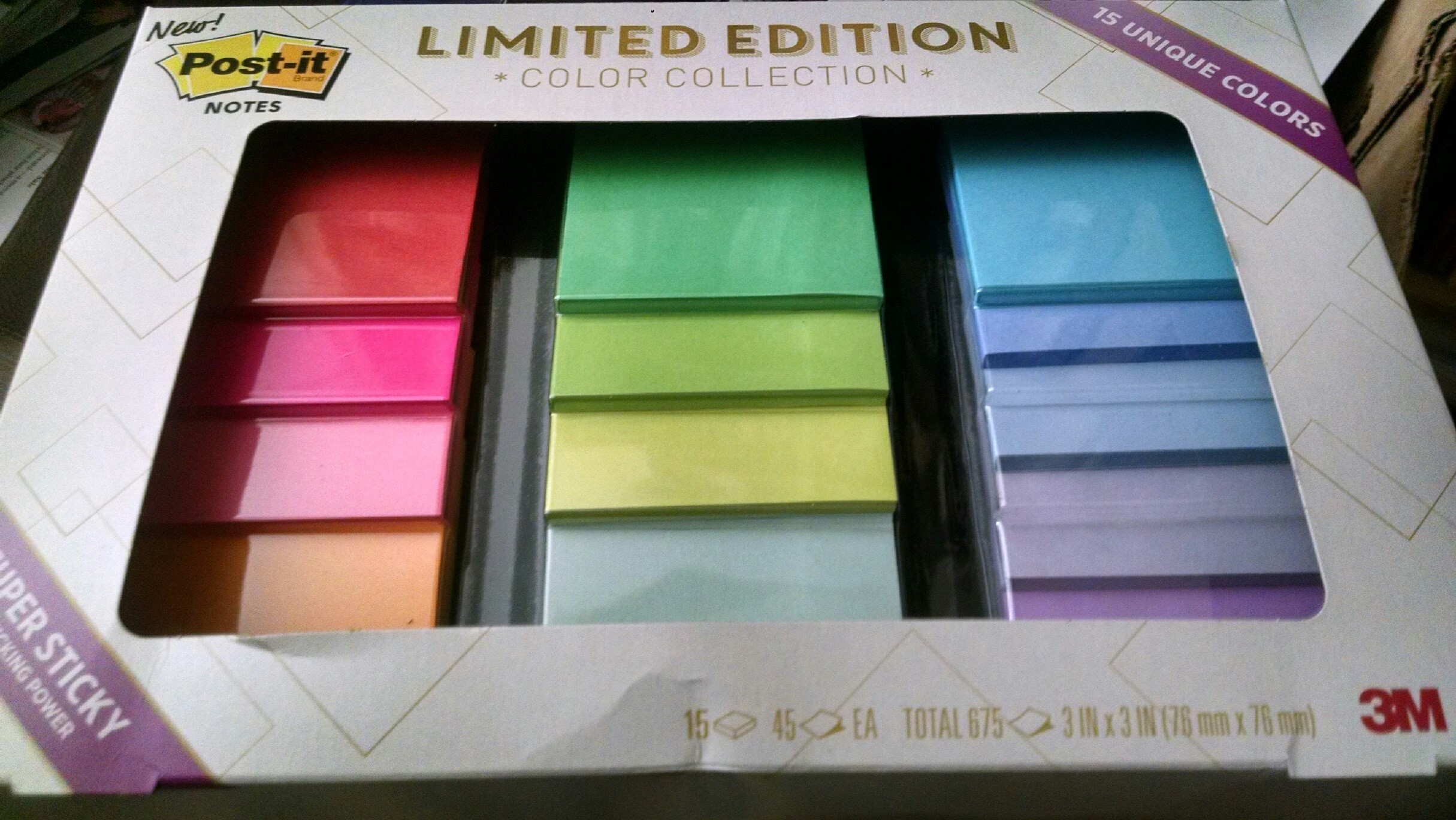
post it notesFUN STUFF: In addition to inspiration, food, and fellowship, we’ll also be giving away some very exciting door prizes….including a year’s supply of Post-It Notes! That’s right. Sticky notes are perfect for jotting down those little nuggets of inspiration in a writer’s life. Images, bits of conversation, universal truths, and more–all those little details that add zest to your writing. Check out the ZESTY colors!
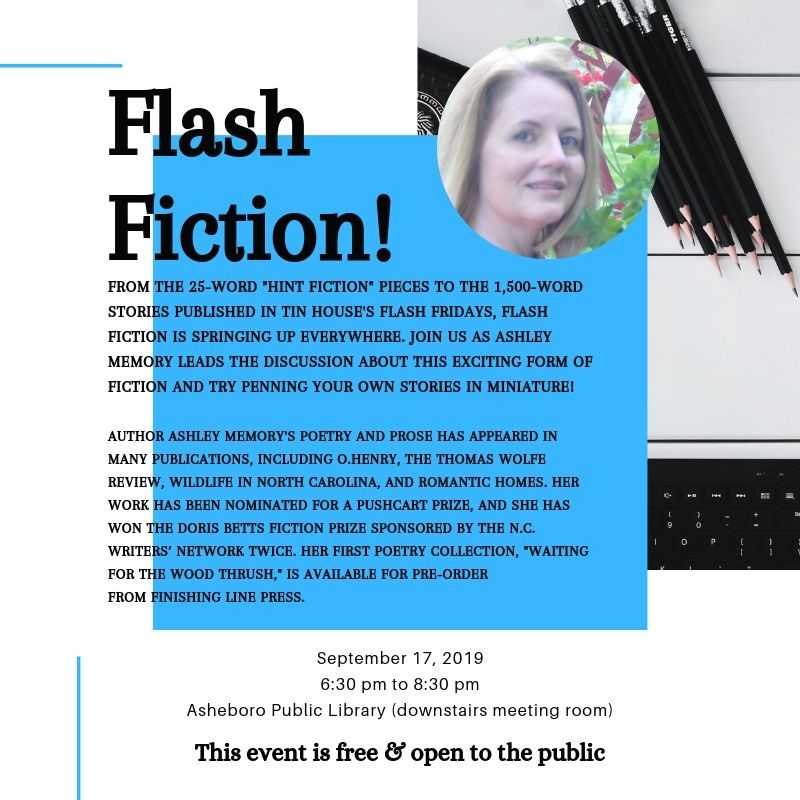
EXTRA: This little workshop is just a sample of the dynamic and inspirational courses that we offer at Central Carolina Community College. Each semester, you’ll find a smorgasbord of courses meant to cultivate the writer in you, from poetry to short stories and memoir, and so much more. At the Expo, you’ll also be able to meet several of our dynamic instructors and fellow students for yourself. Check out the Spring 2020 Course Offerings here.

We hope to see you on Thursday!


Creative Writing Events Near You!

Are you wriwritingting short stories? How about creative nonfiction or true-life essays? And let’s not forget about the third leg of this literary stool — poetry! Are you ready to submit your work?
No matter what you’re writing, revising or preparing to submit, you’re bound to find a local special event that may help you in your creative endeavors, from readings to classes, talks, and more! And some events are free! By attending, you’ll also meet other like-minded writers who can help you in your journey. Writing is by nature a solitary act, but it doesn’t have to be a lonely one.

As a special note, in addition to teaching a class at Central Carolina Community College this fall, I’m also honored to be presenting two workshops at Charlotte Center for Literary Arts, Inc. later this fall and in January. I look forward to working with and meeting writers in the Charlotte metro area.

Hope to see you at one of these events. In the meantime, keep writing and delighting!

Click here to view the latest list of Upcoming Events.

A Day of Flash Fiction ….

at Central Carolina Community College yesterday whizzed by so quickly that I couldn’t believe my eyes when the clock read 3:45….gulp!

sept22 class.jpgFrom a contemporary re-telling of a beloved fairy tale through text messages (yes!) to a memorandum from the Goddess of Chaos (hilarious!) and so much more, the contributions of all nine students simply took my breath away. And the emotions expressed struck every note on the xylophone, from laughter to tears.
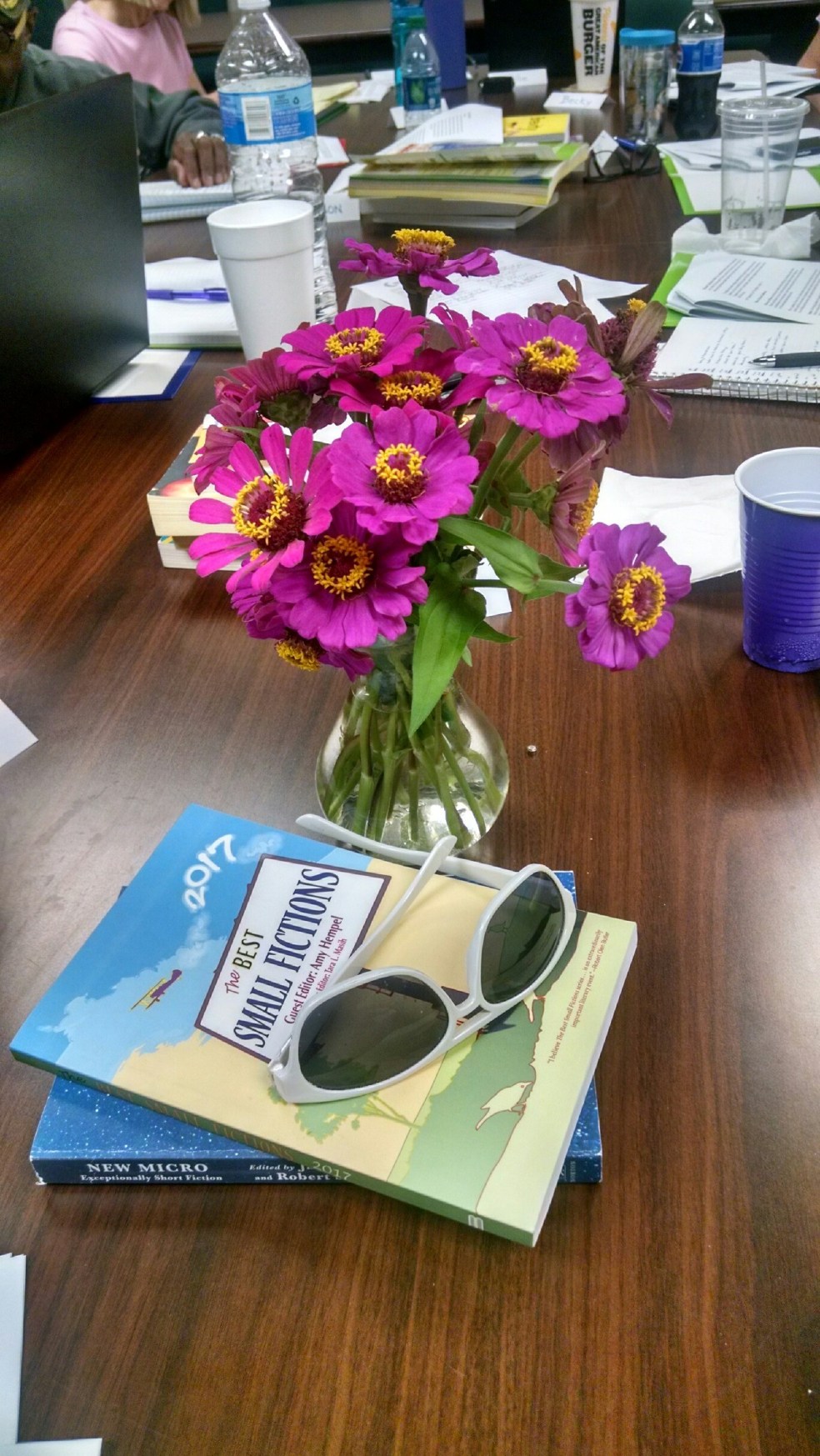
What a good flash ought to do, according to Vanessa Gebbie, is to “catch you as you turn away, hold you, and when you’re finished reading, it should echo and resonate.” As the workshop leader, I can truly say that yesterday’s stories will remain with me for a very long time. It was truly an honor to be there.

We had planned to plow through six exercises but sadly, we ran out of time after the fifth. The good news is that everyone left with “homework,” so they can complete the final exercise on their own. And I’ll share it with you, just in case you want to give flash fiction a try. 🙂

Exercise 6. In the News. Choose an actual news headline and write a fictional story. (200-500 words). For example, “Chatham County Sheriff’s Office Uses Facebook to Catch Thief” or “Spring Hope Man Grows a Whopper of a Cantaloupe” (both are real examples from local news sources.)

Hint: To see how another writer probably did this, read “Local Woman Gets a Jolt,” a masterful short fiction by Jennifer Pieroni (published  in New Micro: Exceptionally Short Stories, edited by James Thomas and Robert Scotellaro).

Want more? It’s not too late! Join us on Saturday, October 13, for the next installment: Flash Fiction: Revision and Publication. Now that you’ve written your flashes, you’re ready to show them off! Bring a story of your own and learn how to revise, prepare and submit it for publication in online or print magazines, and how later to create a book-length collection and find publishers.

Flash Fiction – Two Days Away! Atten-hut!

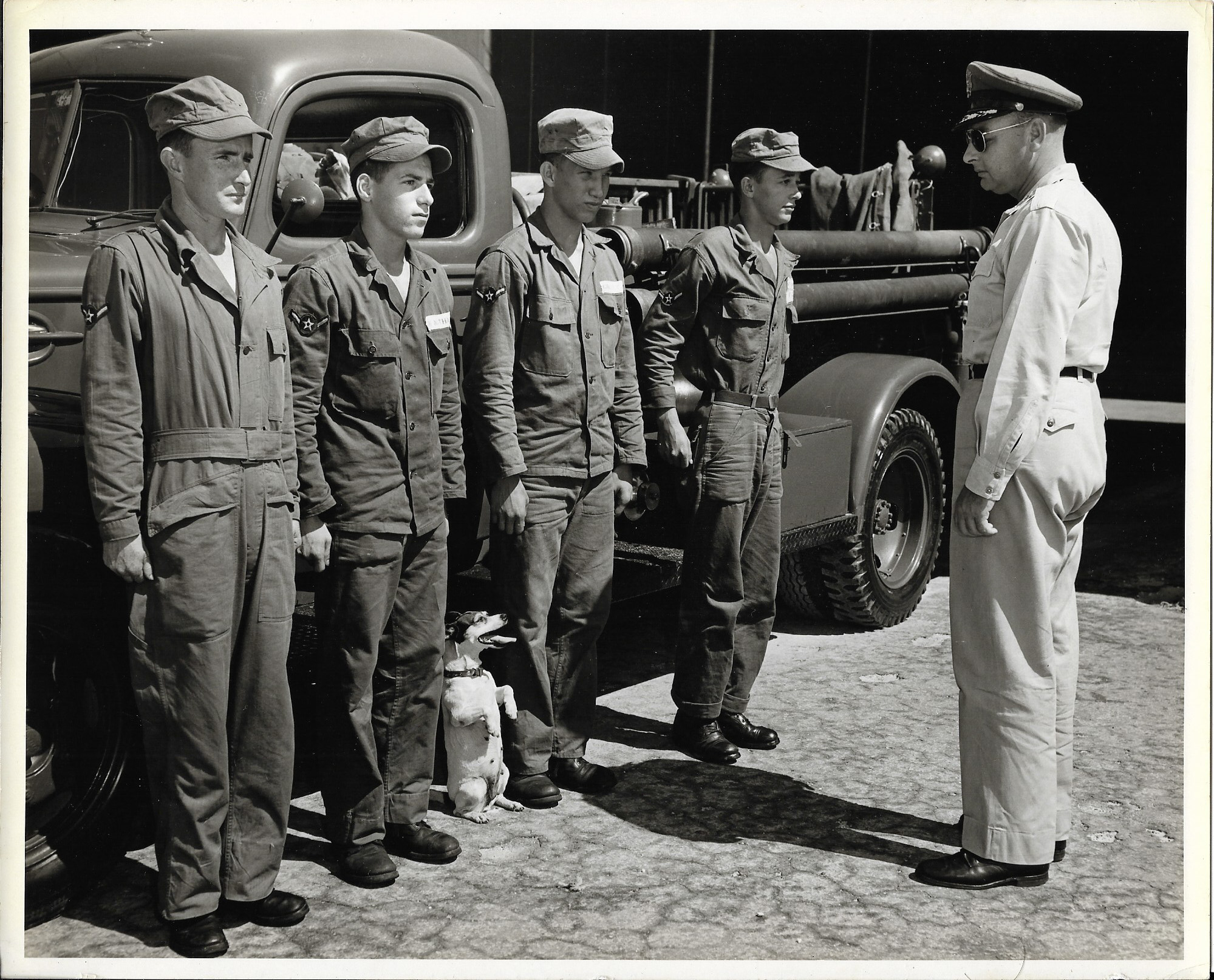
army dog_editedWhat could be better after a catastrophic hurricane than a daylong immersion in creative writing? Not much! If you agree, join us on Saturday, Sept. 22 at Central Carolina Community College in Pittsboro for a madcap adventure into the exciting world of flash fiction.

Yes, it’s a bootcamp, but it’s also going to be fun! Get ready for new prompts, new inspiration, and instant feedback. We have six fabulous exercises planned, from “Wacky Word Play” to “Coffee, Tea or Me” – a fictional restaurant review. (This little dog’s tongue is hanging out just thinking about it.) All prompts are designed to stimulate your imagination and bring to life six original short fictions you’ve written yourself!

We have just a few slots left so if you haven’t signed up yet, don’t delay. Sign up here and see you on Saturday. Atten-hut!